



How to Enhance Your Post-Purchase Customer Experience
For many brands, customer experience ends the moment the customer buys their product. While getting new customers is essential for growth, a poor post-purchase customer experience might mean they never return to buy again.
So what can you do to turn these one-off buyers into loyal buyers? You can optimize the post-purchase customer journey.
In this article, we’ll consider the types of communication marketers use in the customer experience after they have bought a product, the best strategies for real-time customer engagement, real-life examples of customer experiences after purchases that leading brands have implemented, and the leading software solutions in engagement marketing after a purchase has been completed.

What is the Post-Purchase Customer Experience?
The post-purchase customer experience is the overall experience a customer has while interacting with a brand after buying from them. It involves consumer-centered communication and can range from no-brainers, such as order confirmations/notifications, to more involved efforts, such as loyalty programs.
In the post-purchase experience, clicking ‘buy’ is not the end of the journey; instead, it can breathe new life into it, turning a first-time, one-off customer into a loyal, recurring customer.
Why the Post-Purchase Customer Journey is so Important
Brands put plenty of thought into optimizing the pre-checkout funnel, focusing on getting people to discover and buy their products, only to treat the post-purchase customer experience as an afterthought.
However, data suggests that this experience is essential to customers and can significantly affect whether they return to patronize the business. For example, a report from the delivery experience platform, Sorted, revealed that a whopping 93% of consumers consider the experience after a purchase important.
What Types of Communication do Marketers Use in the Post-Customer Experience?
There are several types of communications that marketers use in the post-purchase customer experience. Let’s briefly consider some of them.
- Transactional Communication: This type of communication confirms a customer’s actions and can include order confirmations, account updates, and receipts. It’s an impactful type of communication because, for one, it’s expected and highly relevant. Also, they are a ‘first impression of your brand after payment’ type of communication that can either build or break customer trust.
- Onboarding Communication: As the name implies, customer onboarding communication guides customers on what to do after buying your product. It includes setup instructions and usage tips. This type of communication is impactful because it reduces confusion on the customer’s side, a by-product of which is that customers are less likely to disengage and more likely to buy again.
- Status Communication: Here, communications are sent to inform customers during waiting periods, such as shipping updates and delivery times. If you’ve ever bought something to be delivered, you’d understand why this type of communication is crucial. It alleviates uncertainty and prevents frustration from boiling over into dissatisfaction.
- Feedback Communication: This type of communication asks customers to leave feedback on the product or service or take surveys. Done correctly, this form of communication will help you identify problems or see where you’re doing well.
- Relationship-building Communication: These messages humanize your business. Examples include community invites and thank you emails/notes. These messages can help build an emotional connection with customers, which is crucial for improving customer loyalty.
- Re-Engagement Communication: Communications, such as re-engagement emails, are sent to re-engage customers who have been inactive or show signs of disengagement. Preventing customer churn gets easier when you address it early, thus retaining customers and reducing the cost of reacquiring them.
Now that we’ve seen the types of communications marketers use, let’s discuss the most effective strategies for post-purchase engagement.
What are the Most Effective Strategies for Real-Time Customer Engagement Post-Purchase?
When someone forks over hard-earned money to buy your product, it means that you’ve managed to convince them to trust you to deliver on your promise.
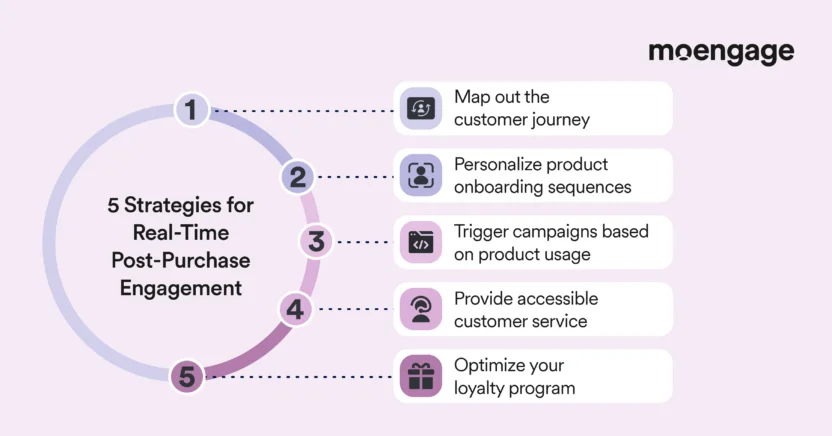
How can you ensure you don’t squander this unique opportunity to build on existing trust and turn them from a one-off buyer to a repeat customer? By using the customer engagement post-purchase strategies that we’ll discuss in this section!
1. Map Out the Customer Journey
Mapping out the customer journey involves documenting every touchpoint and pain point that a customer experiences, from order confirmation to repeat buying. It’s an important strategy because it helps your teams identify the most important engagement moments and reveals gaps between what you think is happening and what customers are really experiencing.
So, how can your teams use this strategy effectively? They should start by gathering data from various sources, including customer interviews, surveys, support tickets, and analytics. Each stage, whether order confirmation or first use, should highlight customer questions and pain points. The insights gleaned here will help determine which touchpoints require improvement and inform the strategy used.
In the post-purchase journey specifically, journey mapping can uncover silent frustrations, such as delays in shipping updates, uncertainty about product care, or missed upsell opportunities. For marketers, this means mapping not just the delivery stage, but also follow-up touchpoints like “How did it go?” surveys, email check-ins after product arrival, and personalized re-order reminders.
2. Personalize Product Onboarding Sequences
In this strategy, you deliver educational content tailored to each customer’s purchase. So you can deliver content like setup guides, feature tutorials, best practices, and troubleshooting tips.
For example, in retail/Ecommerce, a clothing brand could send style tips and care instructions for fabrics purchased; in consumer electronics, a company could share quick-start videos and maintenance checklists right after shipping confirmation; while in health and beauty, brands might send short tutorials on correct usage of skincare products alongside complementary product recommendations. By making these examples relevant to your industry and your target audience, you ensure the content resonates and drives retention beyond the initial sale.
This strategy is highly impactful because it enhances customer retention and increases feature adoption rates.
To do this, teams should build onboarding tracks for different customer segments and product categories. Ensure that the onboarding sequence triggers post-purchase, but be careful not to overwhelm buyers with everything all at once.
You should also consider triggered branching based on behavior, for example, sending troubleshooting guides if they haven’t completed setup after a set period.
3. Trigger Campaigns Based on Product Usage
Here, you monitor how your customers interact with your product or service. For example, you’ll monitor things like session duration, feature adoption, and app opens, and then respond with relevant messages triggered by their specific behaviors. This strategy is very effective because it enables you to achieve an extraordinary level of precision, reinforcing positive behaviors and re-engaging buyers who are showing signs of churn.
Teams need to define what meaningful usage events look like, map them to customer journey stages, and respond with relevant communication. Executing this strategy certainly requires platforms that are excellent at tracking and analyzing customer behavior, like MoEngage.
4. Provide Accessible Customer Service
With this strategy, you ensure customers have multiple ways to contact you if they have an issue or a question.
Imagine a customer is looking for a way to contact customer service but can’t find anything on the website, in the confirmation email, in the app, or on social media. In most cases, this’ll leave them very frustrated, and will threaten any loyalty they have toward your brand.
So how can teams implement this strategy? One practical approach is to adopt an omnichannel customer service strategy. Your team should have a unified support infrastructure to handle customer inquiries. AI-powered chatbots can be helpful for routine questions, while complex issues can be escalated to human agents who already have the full context of the problem.
5. Optimize Your Loyalty Program
You likely already run a loyalty and rewards program for buyers, but optimizing this program is a strategy that can create powerful psychological stickiness.
Go beyond just telling customers about the loyalty program. Provide real-time visibility into loyalty points earned, exclusive perks, and personalized celebrations for anniversaries and purchase milestones.
Your team can implement this strategy by integrating your loyalty platform with your customer engagement tool, which triggers celebratory moments right when they happen and not when they’re no longer relevant. Gamification elements like progress bars and time-bound point multipliers can also be effective when optimizing this strategy.
4 Real-Life Examples of Post-Purchase Experiences from Leading Brands
We’ve seen some effective strategies for boosting post-purchase engagement. Now, let’s see some real-world examples of brands that have used these strategies effectively.
1. Ebay’s Review Request
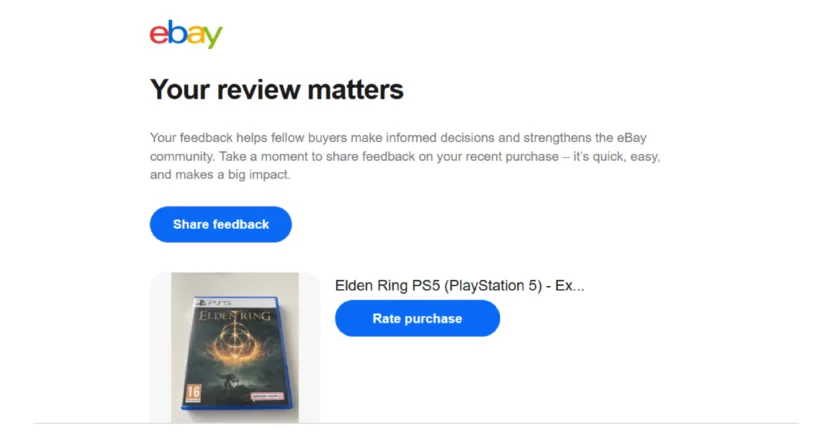
After each purchase, eBay sends a review request email to do two things: collect vital customer feedback and urge them to share their experience. Some of what we like about this example of email personalization is the simplicity and ease of use: there’s a direct link to the actions to take, which reduces friction.
The example demonstrates the company’s commitment to customer satisfaction and constant improvement. MoEngage’s Personalized email features allow you to craft similar impactful emails that ensure more opens, clicks, and conversions.
2. Adidas’s Loyalty Rewards Program
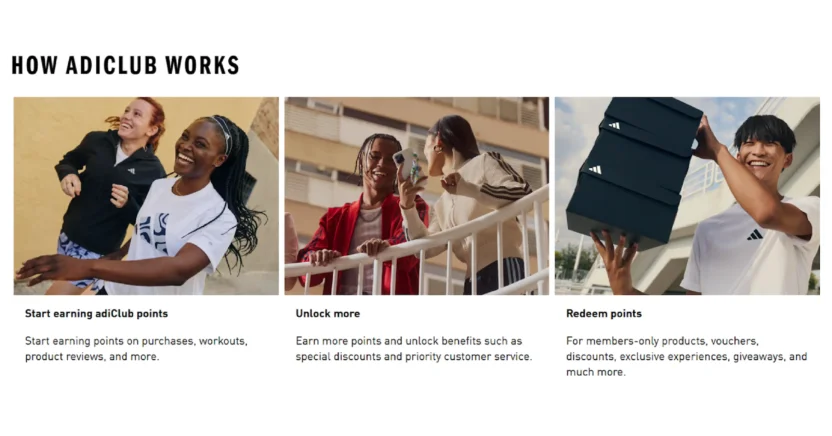
Adidas’s adiClub is a free-to-join, point-based loyalty rewards program and is one of the best retail loyalty programs in the market. It rewards buyers with things like early and exclusive access to drops, community events, tickets, autographed products, and more. What stands out is that these rewards are based on points earned for activities such as leaving reviews, providing personal information, and engaging with the brand.
Marketers can learn from Adidas’s example of rewarding buyers for positive customer post-purchase behavior.
However, to do this right, you need to pay attention to customers. What do they like? What keeps them coming back? Your program’s rewards have to feel worthwhile and relevant. MoEngage’s RFM analysis tool can help gain deeper insights into what moves customers forward.
3. Ryanair’s Post-Purchase Upsells Using Real-Time Personalization
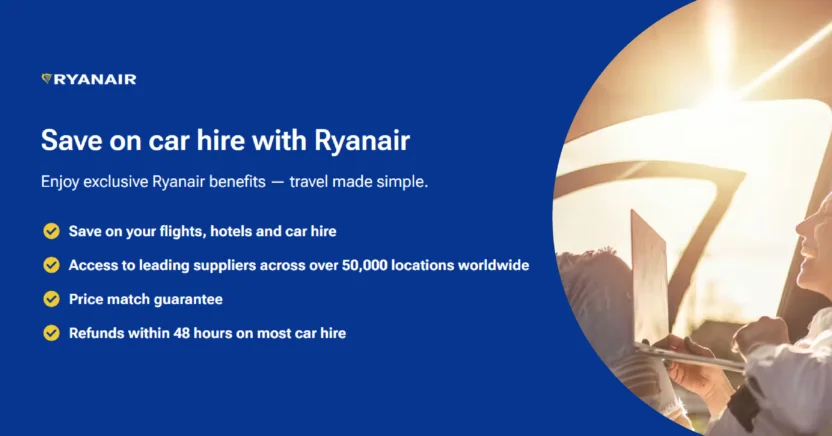
Ryanair is the king of upsell funnels. The whole post-purchase customer journey is built to squeeze the most value from each customer even after checkout. With them, instead of sending generic upgrade promotions, their strategies focus on engaging customers when they are most receptive to improving the travel experience.
For example, after booking, the customer will receive a personalized email or in-app message promoting additional products, such as extra legroom. That’s how you can boost post-purchase upsells for airline seat upgrades using real-time personalization.
Marketers can use MoEngage to send relevant, contextual upsell messages, thereby improving conversion rates and the post-purchase customer experience.
4. Amazon’s Focus on Frictionless Post-Purchase Focus
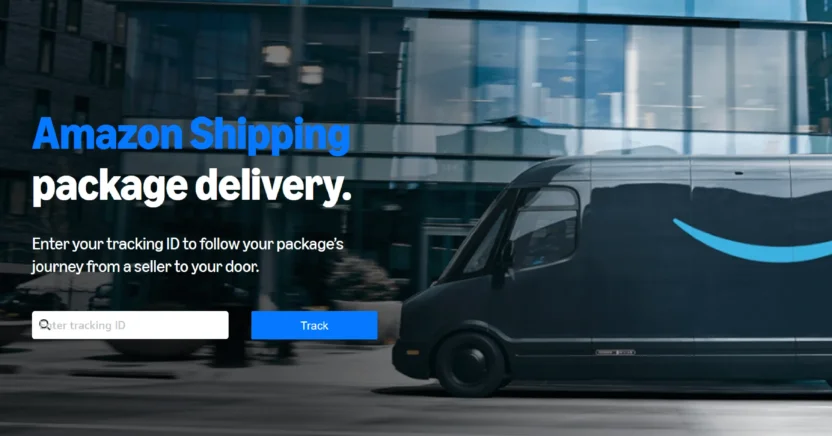
Amazon focuses on making the whole customer experience as convenient as possible. In the post-purchase customer journey, Amazon removes friction and builds trust by providing real-time tracking, quick refunds, one-click checkout, and personalized offers. All of this combines to smooth out common sources of friction post-purchase.
Your marketing team might not have Amazon’s budget, but they can learn from the brand’s focus on customer convenience. If they focus on analyzing the customer journey using customer journey mapping tools and removing friction as quickly as possible, they’ll improve post-purchase engagement.
3 Top Customer Journey Solutions: Who Leads in Post-Purchase Engagement Marketing?
Several post-purchase customer journey solutions are available on the market today, and this section highlights 4 of the best.
1. MoEngage Flows
MoEngage Flows is a visual customer journey builder that can help your brand deliver personalized experiences throughout the customer lifecycle by optimizing drop-offs in journeys and A/B testing journey paths, messages, and segments. It’s a part of MoEngage’s customer engagement platform with a plethora of advanced features and laser focus on building excellent multi-channel experiences, making it easier to connect with your audience in more meaningful and effective ways.
It enables marketers to create unified customer profiles, utilize AI-driven insights, and optimize cross-channel journey communication (email, push notifications, SMS, WhatsApp, web, etc.), regardless of where customers are in their buying journey. All these features result in a unique software solution that improves retention and post-purchase engagement.
Pricing: MoEngage’s pricing is quote-based, with Growth and Enterprise plans available.
Best for: MoEngage is ideal for mid-market and enterprise brands that focus on customer retention, lifecycle marketing, and post-purchase customer engagement.
Key features: Best Time to Send and Most Preferred Channel let your teams optimize the customer experience across all touchpoints without overwhelming customers with communication. Furthermore, the real-time behavioral triggers and AI-powered predictions for customer engagement metrics such as churn, engagement, and conversion make this software solution stand out from other options.
2. Adobe Journey Optimizer
Adobe Journey Optimizer is part of the Adobe Experience Cloud suite, so if you are locked into the Adobe ecosystem, this might be an excellent solution for you. It offers tools for personalized communication and campaign orchestration, enabling your company to manage customer experiences across different channels.
However, while it’s a good solution, the learning curve is steep and would likely require significant resources and training to master. It’s also quite expensive, making it less accessible to businesses seeking effective yet relatively inexpensive solutions.
Pricing: The company has three tiers of pricing: Select, Prime, and Ultimate.
Best for: As you might have guessed, this solution is best for large enterprise organizations with complex data stacks and deep pockets.
Key features: Adobe Journey Optimizer is great at delivering personalized marketing campaigns. Also, if you are in the Adobe ecosystem, it offers seamless integration with other Adobe tools, which is excellent for companies that want an all-in-one marketing solution.
3. Klaviyo
Klaviyo is one of the most popular solutions for Ecommerce brands looking to optimize personalized messaging. It offers impressive integrations with popular platforms like Shopify and WooCommerce. These integrations provide valuable insights into behaviors such as product views, lifetime metrics, and cart abandonment, without requiring extensive technical setup.
However, unlike MoEngage, Klaviyo has limited capabilities for comprehensive customer engagement, especially since it doesn’t let you run push, on-site, and personalized web campaigns.
Pricing: Klaviyo offers a free plan, with paid plans starting at $20/month.
Best for: This solution is best for Ecommerce businesses that want powerful email and SMS automation.
Key features: Klaviyo is heavily optimized for Ecommerce companies that rely on email/SMS channels. The software also boasts A/B testing features that run at the flow level rather than individual emails, allowing you to test entire journey strategies against each other.

Post-Purchase Customer Journey: Closing Thoughts
The post-purchase customer journey leaves a lasting impression and can determine whether customers return to your brand. Hence, it’s vital to optimize this part of the customer journey.
As a marketer, focus on three critical areas: maintaining clear and proactive communication after purchase, delivering personalized content that adds value, and continuously gathering feedback to refine the experience. The goal is not just to meet expectations, but to exceed them in ways that feel genuine and relevant to each customer.
MoEngage Flows is built precisely for marketers who want to turn these key takeaways into measurable results. With powerful automation, behavioral targeting, and an omnichannel approach, MoEngage Flows enables you to map and optimize every post-purchase touchpoint, from shipping notifications to re-engagement campaigns, while keeping the experience consistent across platforms.
See MoEngage Flows in action today to discover how you can maximize customer retention, boost lifetime value, and create seamless journeys that keep buyers coming back.