


How to Build an Effective Customer Lifecycle Marketing Plan
Most marketing plans make a classic mistake: they obsess over the chase but ignore the catch.
While everyone is hunting for the next new lead, your biggest growth opportunity (your existing customers) is often left in the dark. It’s time to stop thinking about the next catchy campaign and start mastering customer lifecycle marketing.
After all, the relationship begins after the first click, not before it.
This article walks through how to understand the customer purchase journey in practical steps. It covers what deserves attention, where efforts tend to break down, and how to shape a more reliable approach to customer engagement.
What is Customer Lifecycle Marketing?
Customer lifecycle marketing is a strategic approach to communicate with customers at every stage of their relationship with a brand, from initial awareness through purchase to long-term loyalty, using targeted messages that align with actual customer behavior, preferences, and evolving needs.
It treats marketing as ongoing work, not as a single campaign or push. Messages are shaped by where a customer is in their journey, rather than sending a single broad message to everyone and hoping it sticks.
It works on a few simple ideas:
- Every customer moves through different stages
- Each stage calls for a different kind of message
- Timing is just as important as the message itself
- Customer relationships are built through steady, useful interactions
For example, a new customer often needs clarity and reassurance. An existing customer usually looks for support, updates, or reminders that keep them engaged. A loyal customer may respond better to recognition and access to something extra.
Customer lifecycle marketing helps brands step away from scattered promotions and disconnected emails. It adds structure to your overall engagement. It gives teams a way to speak to customers that feels relevant and supportive, rather than overly promotional.
When handled well, tailoring messages to the customer lifecycle in marketing brings order to fragmented efforts and turns them into a system that supports both revenue and long-term customer loyalty.
What Are the Main Stages of Customer Lifecycle Marketing?
Customer relationships do not form in a single moment. They take shape over time, following a natural progression. That core idea sits at the heart of customer lifecycle marketing and helps teams understand how to engage people thoughtfully at different points in their journey.
Customers tend to move through familiar phases, even if the timing varies. These stages give teams a way to organize their work, so it does not feel rushed or scattered.
Let’s look at the main stages at a broad level.
- Acquisition: This is the starting point. During acquisition, the aim is to attract the right customers by making the brand visible to them. This stage includes awareness campaigns, ads, blog posts, search presence, and social activity. People are still figuring out who you are and whether you matter to them. Customer lifecycle marketing here is about making a clear first impression and nudging potential customers toward an initial action.
- Onboarding: Once someone converts, expectations rise. Customer onboarding focuses on helping new customers quickly get comfortable with your brand. Welcome emails, short tutorials, demos, or setup guidance usually live here. When onboarding is smooth, confusion drops, and confidence builds early. In customer lifecycle marketing, this stage often decides how the relationship will feel going forward.
- Engagement: After onboarding, attention shifts to staying relevant. Engagement is about ongoing interaction that fits into a customer’s normal routine. This might mean regular email engagement, product tips, useful content, or tailored suggestions. The goal is to remain present without becoming noise. Customer lifecycle marketing treats engagement as something continuous, not a single follow-up.
- Retention: Customer retention centers on keeping customers satisfied over time. This stage looks at reducing customer churn and strengthening loyalty. Support quality, feedback loops, loyalty programs, and timely communication all matter here. Customer life cycle marketing at this point focuses on making customers feel noticed and taken seriously.
- Reactivation: Reactivation is about reaching out to those who have gone quiet. This can involve reminders, limited offers, or updates about changes and new features. Customer lifecycle marketing accepts that customers do not always leave permanently. Sometimes interest just needs a reset.
Each stage feeds into the next. If one is weak or ignored, the entire system suffers. A solid customer lifecycle marketing strategy accepts that growth continues well beyond the first transaction.
These stages provide a framework for how brands talk to customers over time. Next, let’s look at the real advantages this approach creates for brands and the key benefits of customer lifecycle marketing.
7 Benefits of Customer Lifecycle Marketing
A well-planned lifecycle marketing approach changes how a brand grows over time. It turns marketing from a collection of scattered actions into a connected system. Instead of waiting and hoping customers respond, teams begin guiding them with more intent.
Below are seven clear benefits of customer lifecycle marketing that often result from properly applying this approach.
- Better customer relationships: Lifecycle marketing allows brands to speak to customers as individuals, not just entries in a database. When messages align with what a customer needs at a specific point, trust develops gradually. Over time, that trust leads to longer relationships and fewer one-off purchases.
- Higher conversion rates: Most customers rarely buy after a single interaction. They need multiple touchpoints. A structured customer lifecycle marketing strategy delivers those interactions when they matter most. Education comes before selling, and reassurance comes before commitment. In most cases, this results in stronger conversions.
- Stronger customer loyalty: Loyalty takes shape after the sale, not before it. Customers stay when they feel supported and valued. Lifecycle marketing keeps communication active through onboarding, product guidance, updates, and small signals of appreciation. These details often determine whether someone stays or leaves.
- Smarter use of marketing budgets: Without lifecycle thinking, budgets are often spent on broad campaigns with little focus. Lifecycle marketing directs effort toward stages that need it most. Resources stop being spread thin and start supporting areas that actually influence outcomes.
- Improved customer experience: Customers can tell when communication feels relevant. A thoughtful customer lifecycle marketing strategy creates smoother interactions from first exposure through repeat engagement. The experience feels guided and clear, not rushed or forced. That impression tends to last.
- More repeat purchases: Winning a new customer usually costs more than keeping an existing one. Lifecycle marketing keeps past buyers engaged through timely reminders, helpful offers, and ongoing relevance. Over time, repeat purchases become more consistent and predictable.
- Clearer business insights: Lifecycle thinking pushes teams to examine real customer behavior. It becomes easier to spot where interest drops or momentum slows. Customer lifecycle marketing turns data into something useful, supporting informed decisions rather than assumptions.
Taken together, these benefits show why many growing brands rely on customer lifecycle marketing. It adds structure, focus, and long-term value.
The next step is knowing where to apply these efforts in practice, which brings us to the main lifecycle marketing channels.
5 Key Lifecycle Marketing Channels to Leverage
A customer lifecycle marketing strategy only works when messages reach customers where they already are. One channel cannot carry the full load.
Customers move between platforms throughout the day, sometimes without thinking about it. Lifecycle marketing works best when it follows that movement in a natural way. The channels below are usually where the biggest impact shows up.
- Email Marketing: As a part of customer lifecycle email marketing, welcome emails guide onboarding. Targeted messages keep customers engaged. Re-engagement emails help pull inactive customers back in. What matters most is relevance. When emails reflect where a customer actually is, they feel useful instead of repetitive.
- Website and Landing Pages: The website is often the first point of contact and the one customers return to most often. Product pages, blogs, help sections, and dashboards all serve different lifecycle needs. A thoughtful lifecycle marketing approach ensures the site experience adapts to customer context, not just internal goals.
- SMS and Push Notifications: Short messages have their place. SMS messages and push notifications work well for reminders, updates, and time-sensitive information. Customers tend to notice them quickly. When used with restraint, these channels can strengthen engagement and retention without creating fatigue.
- Social Media: Social platforms help brands stay present and recognizable. They play a role in both acquisition and ongoing engagement, especially during research or comparison phases. Customer lifecycle marketing on social channels usually centers on sharing knowledge, answering questions, and building familiarity over time.
- Customer Support and CRM Tools: Support interactions are often treated as separate from marketing. In reality, they sit at the center of the customer lifecycle. CRM and support tools help teams understand customer behavior, respond faster, and follow up in a more personal way. These moments often shape how customers feel about a brand in the long term.
Each channel serves a different purpose. Together, they work as a system. A strong customer lifecycle marketing strategy connects email, web experiences, social activity, and support conversations into one consistent flow.
That is why an omnichannel vs. multichannel approach matters. Customers expect the same tone and understanding across all interactions. When channels share context and data, lifecycle marketing becomes easier to manage and more effective.

With the channels defined, the next step is figuring out how to run lifecycle marketing in a way that teams can repeat and improve over time.
5 Lifecycle Marketing Strategies for Maximizing Customer Engagement at Each Stage
A lifecycle marketing strategy only matters when it translates into real actions at every stage. Ideas are easy to agree on. Putting them into practice takes more work. The aim here is to tie practical tactics to how customers usually behave, not how teams wish they would.
Below are five key customer lifecycle marketing stages, along with focused strategies, tools, and metrics that help move customers forward in a steady, realistic way.
1. Acquisition Stage
This stage focuses on getting the right customers to notice your brand and take an initial step. Lifecycle marketing here is about visibility, early interest, and first conversions.
Key Strategies to Drive Acquisition
- Personalized website experiences: Generic homepages tend to underperform. Content that adapts to visitor behavior usually works better. With MoEngage Web Personalization, brands can show relevant offers, banners, or product suggestions to first-time visitors. This often helps turn unfamiliar traffic into warmer leads more quickly.
- Targeted omnichannel campaigns: Prospects rarely respond after seeing one message in one place. Coordinated outreach across ads, email sign-ups, and push notifications improves recall. MoEngage helps you run omnichannel marketing campaigns, so messaging feels consistent rather than fragmented.
- Behavior-based lead nurturing: Many prospects are interested, but not ready to act right away. Using a visual customer journey builder, MoEngage Flows, teams can set up automated nurture paths that respond to what customers view, click, or download over time.
Important Metrics and KPIs to Track for Acquisition
- Traffic-to-lead conversion rate: This metric shows how many visitors actually become leads or sign up in some form. It helps teams see whether their acquisition efforts are attracting people who are genuinely interested, not just browsing.
- Cost per acquisition (CPA): CPA tracks how much it costs to acquire one new customer. Monitoring this keeps customer lifecycle marketing efforts efficient and prevents spending from drifting out of control.
- New sign-ups or trials: This measures how many new customers are entering the funnel. It gives a clear signal of whether top-of-funnel activity is producing real momentum.
2. Onboarding Stage
Onboarding is where customers begin learning how to use what they bought. This early experience often shapes whether they continue or quietly drop off.
Key Strategies to Improve Onboarding
- Welcome journeys: First interactions matter more than most teams expect. Automated welcome emails and in-app messages can guide customers through basic steps. MoEngage Flows enables structured onboarding without constant manual effort.
- Product education nudges: Drop-offs often happen because customers feel unsure or stuck. Contextual tooltips, walkthroughs, and timely tips delivered through MoEngage’s In-App Messaging can reduce friction and help customers move forward.
- Early value reminders: Customers need to see value quickly. Highlighting useful features they have not tried yet can help. Personalized reminders through MoEngage’s Push Notifications often speed up early adoption.
Important Metrics and KPIs to Track for Onboarding
- Activation rate: The percentage of customers who complete key first actions indicates whether onboarding steps are intuitive and easy to follow. Strong activation often points to early confidence in the product.
- Time to first value (TTFV): This measures the gap between sign-up and the moment a customer experiences real benefit. In most cases, shorter timelines reduce drop-offs and increase the chance of continued usage.
- Onboarding completion rate: Tracks how many customers finish the entire onboarding flow, highlighting where friction may exist. Lower completion often signals unclear guidance or unnecessary complexity early on.
3. Engagement Stage
This is usually the longest phase in the customer lifecycle marketing. The focus shifts to staying relevant during regular use.
Key Strategies to Boost Engagement
- Personalized content recommendations: Engagement improves when messages feel specific. MoEngage’s AI-driven recommendations allow brands to suggest products or content based on past behavior.
- Smart segmentation: Customers differ in habits and preferences. Segmenting by activity level, interests, and purchase history keeps messaging useful. MoEngage’s Merlin AI Segment Assist supports dynamic segmentation without heavy setup.
- Timely cross-channel messaging: Reaching customers at the right moment matters. Triggered email, SMS, and push campaigns help maintain interaction without overwhelming customers.
Important Metrics and KPIs to Track for Engagement
- Active customer rate: The share of customers who remain active over time provides a clear view of engagement strength. It helps teams understand whether customers are finding ongoing value.
- Session frequency: This measures how often customers return over a given period. Higher frequency usually suggests sustained interest and ongoing usefulness.
- Click-through rates: This shows how often customers respond to messages by clicking through. It helps assess whether campaign content feels relevant within the customer lifecycle marketing flow.
4. Retention Stage
Retention is about keeping existing customers satisfied over time. This is where customer lifecycle marketing begins to show long-term impact.
Key Strategies to Strengthen Retention
- Loyalty and rewards programs: Recognizing repeat behavior encourages continuity. As one of Yotpo’s alternatives for SMS and email marketing, MoEngage can automate loyalty updates and milestone messages that acknowledge ongoing usage.
- Predictive churn prevention: Customers do not always say when they are unhappy. Predictive analytics helps identify risk signals early, allowing teams to intervene before churn happens.
- Proactive support communication: Clear updates, feature announcements, and timely help build confidence. Lifecycle campaigns focused on usefulness rather than promotion tend to sustain trust.
Important Metrics and KPIs to Track for Retention
- Customer retention rate: This tracks the percentage of customers who continue their relationship with your brand over time. It is one of the clearest indicators of customer satisfaction and long-term stability.
- Repeat purchase rate: This is the rate at which customers make additional purchases and reflects trust built through consistent experiences. It also shows whether the value continues beyond the first transaction.
- Lifetime Value (LTV): Customer lifetime value estimates the total revenue a customer contributes across their entire lifecycle. It connects retention and engagement efforts directly to financial outcomes.
5. Reactivation / Win-Back Stage
Churn is a reality for even the best brands. But instead of accepting the loss, lifecycle marketing builds a safety net by turning a potential goodbye into a strategic welcome back.
Key Strategies to Reactivate Customers
- Win-back campaigns: Targeted outreach with relevant offers can reawaken interest. Some customer lifecycle marketing software platforms support automated reactivation journeys triggered by inactivity.
- Feature and product updates: Some customers leave because their needs change. Sharing updates through email campaigns via MoEngage, for instance, can give them a reason to reconsider.
- Feedback-driven outreach: Understanding why customers left matters. MoEngage surveys and feedback flows help collect insight and reopen conversations on better terms.
Important Metrics and KPIs to Track for Reactivation
- Reactivation rate: The portion of inactive customers who return after reactivation efforts shows how effective win-back strategies are. It helps teams understand whether outreach is landing at the right moment.
- Offer redemption rate: Tracking how many customers act on comeback offers reveals how compelling those incentives are. Weak redemption often points to poor timing or mismatched messaging.
- Post-reactivation engagement: Customer activity after returning helps confirm whether reactivation leads to renewed interest or only short-term spikes. This metric is critical for judging true recovery.
A well-structured customer lifecycle marketing strategy looks different at each stage, yet all stages depend on one another. When acquisition, onboarding, engagement, retention, and reactivation are aligned, marketing feels less like a series of campaigns and more like a working system.
The next step is figuring out how to design and run this system inside your own organization, in a way that teams can actually maintain.
Real-Life Customer Lifecycle Marketing Examples to Learn From
Customer lifecycle marketing can feel theoretical until you see how brands apply it in everyday ways. The companies below are not relying on tricks or complex tactics. They are paying attention to customer behavior and responding at the right points.
These examples show how customer lifecycle marketing plays out in practice, so you can get ideas for your campaigns, too.
1. Amazon: Personalized Re-Engagement Emails
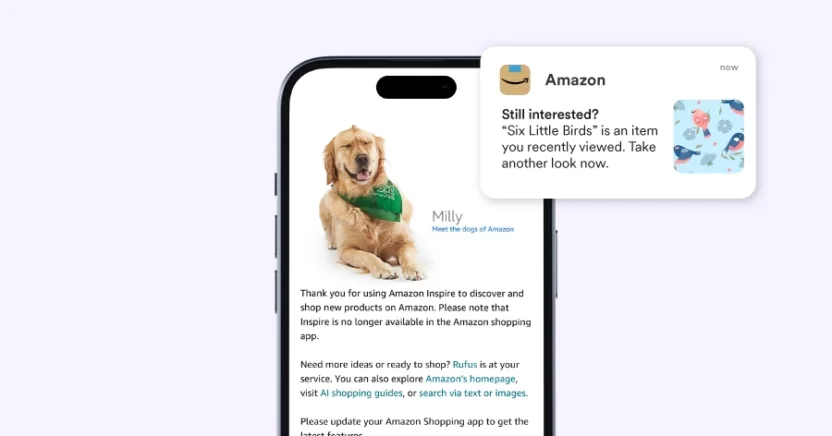
Amazon is often cited for how consistently it uses customer lifecycle marketing to bring shoppers back. When someone views a product or adds it to a cart but does not complete the purchase, follow-up emails usually arrive soon after. These include reminders, similar items, or alerts about price changes. The tone stays practical. It feels like a reminder, not pressure.
This approach is easy to learn from. Track browsing and cart activity. Follow up with content tied to that behavior instead of sending broad discounts. Customer lifecycle marketing works best when it responds to what customers actually do, not what brands assume they want.
2. Spotify: Smart Onboarding and Engagement
Spotify offers a clear lesson in how onboarding shapes long-term use. Right after sign-up, users are asked a few basic questions about music preferences. Those responses feed directly into playlists and recommendations. From the start, the experience feels personal and relevant.
The takeaway is straightforward. Early interactions matter more than many teams expect. Use onboarding to understand customers and deliver value quickly. Customer lifecycle marketing is strongest when those first steps feel considered and natural.
3. Sephora: Loyalty and Retention Done Right
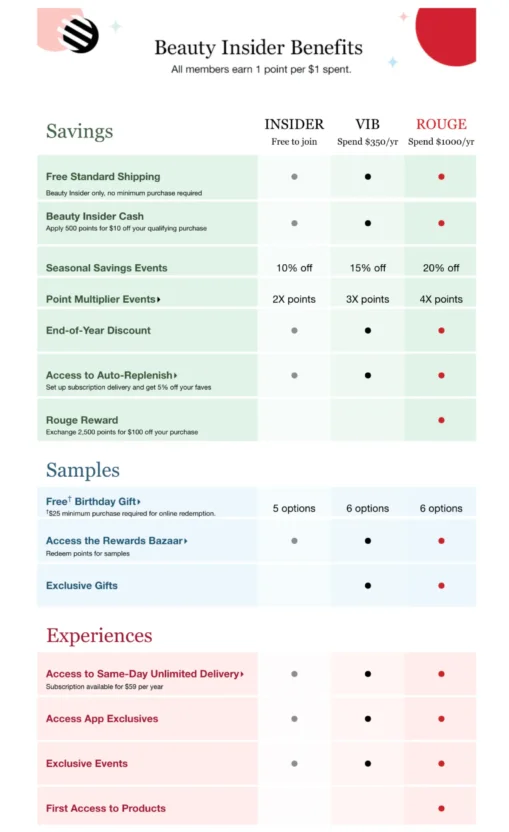
Sephora’s Beauty Insider program is a well-known example of retention-focused customer lifecycle marketing. Customers earn points, receive birthday perks, and get early access to products. The communication centers on the benefits customers receive, not products being pushed.
This shows how loyalty programs can support long-term relationships. Brands in many industries can apply the same idea by rewarding repeat behavior and acknowledging long-term customers. Retention becomes more sustainable when people feel recognized.
Together, these examples point to a simple pattern. Strong brands do not treat marketing as a series of disconnected campaigns. They think in stages. They support customers with timely, relevant communication. That is where customer lifecycle marketing shows its value.
Start Building Effective Customer Lifecycle Marketing Campaigns Today
A strong customer lifecycle marketing strategy doesn’t have to be complicated, but it does need to be deliberate. When you map out customer lifecycle stages, choose the right channels, and send messages that match actual behavior, marketing starts to feel natural instead of forced.
Customer engagement platforms like MoEngage make it easier to design, automate, and measure every part of the customer journey from onboarding flows to retention and win-back campaigns.
Want a clear view of what a connected lifecycle approach can achieve? See MoEngage in action and explore how smarter lifecycle marketing can benefit your business.