

Customer Engagement 2026: Findings from 40 Billion Messages
Sign Up
close-icon

Holiday Marketing Trends of the Past and Adapting to the Present

  • UPDATED: 19 July 2023
  • 8 minread
Holiday Marketing Trends of the Past and Adapting to the Present
Reading Time: 8 minutes

The holiday season is a  special time that’s warm, comforting, and familiar. Gifts, wrapping paper, tinsel, and twinkling lights bring joy to millions around the world, year after year.

While some traditions will stay the same, many will change. With millions of people adapting to a new normal and businesses adjusting to restrictions, this holiday season is very different. This means Holiday traditions and gift-giving may look very different this year. While framing campaigns, you need to be aware of the holiday marketing trends and add value to consumers’ lives. Help them stay connected to who or what they care about most.

In 2020, holiday season sales for retail and e-commerce surpassed the trillion-dollar mark for the first time ever. Despite the unprecedented pandemic and the unusual holiday, with the right strategy you can still grow and earn profits. Forrester expects e-commerce sales to grow by 18.5% this year.

To help you navigate this unusual holiday season, we at MoEngage in collaboration with AppFollow have released a guide with:

  • Expert insights and examples of highly successful campaigns from global brands
  • Holiday marketing trends for 2020
  • Do’s and don’ts while framing holiday strategy and
  • 20 actionable strategies you can implement right away
ORDER NOW

Before you download the guide, let’s explore past festive seasons, holiday marketing trends, and how has it changed. We can begin by looking at the biggest shopping events around the world, campaigns run, and performances.

Festive seasons across geographies

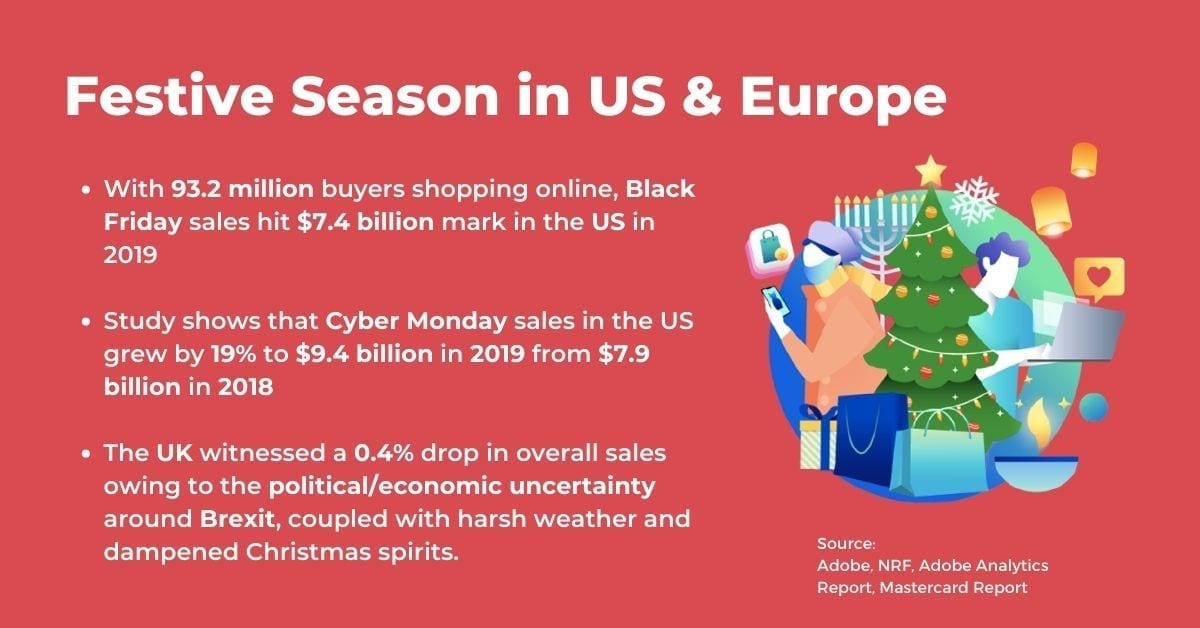
The United States and Europe: Brands being campaign planning from late October, around Halloween. Although Black Friday and Cyber Monday originated in the United States, they are widely popular in Europe too.

festive season us eu

  • Black Friday: Held on the day after Thanksgiving, it’s one of the most awaited shopping days with unbelievable offers.
  • Cyber Monday: Held on the Monday following Thanksgiving. Brands like Walmart, Amazon, and Target offer numerous deals on iPads, GoPros, televisions, etc.
  • Christmas and New Year Sale: One of the biggest sale periods of the year extending from Christmas week to New Year’s eve. Holiday retail sales were up by 3.4% in the US, while e-commerce sales increased by 18.8% compared to 2018.
  • Boxing day: Largest post-Christmas shopping event of the year. Presents an opportunity for retailers to clear inventory. Although on a decline, brick-and-mortar stores like John Lewis and Marks & Spencer witnessed an increase in traffic.
Bonus Content

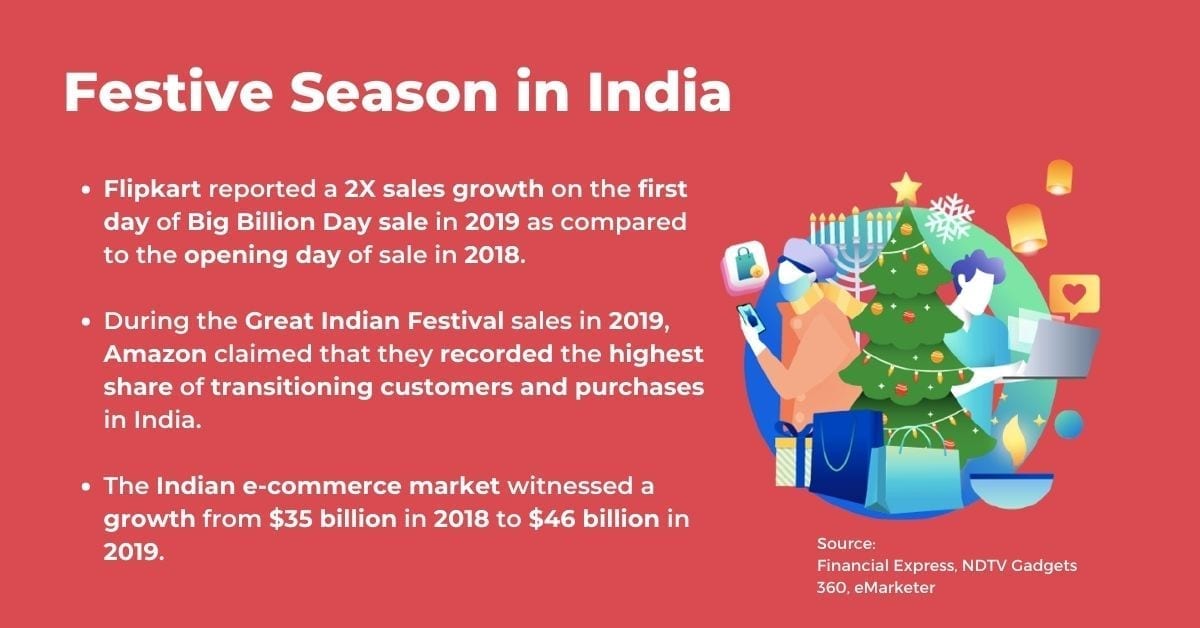
India: Traditionally, India’s offline sales have always peaked during Dussehra and Diwali.

According to a Mastercard report in 2019 overall retail sales grew by 3.4% year-on-year, while online sales increased by 18.8%!

festivals in India

  • Flipkart’s Big Billion Day Sale: Flash sales, new deals every 8 hours, discounts on apparel, electronics, and large appliances.
  • Amazon’s Great Indian Festival Sale: Big discounts and exclusive deals on mobile phones, home appliances, gadgets, accessories, fashion, and footwear.
  • Christmas and New Year Sale: Travel & hospitality, and e-commerce/retail industries have their own online and offline sales at the end of the year, with brands like H&M, Nykaa, IndiGo leading the play.

Middle East: Burgeoning e-commerce brands, powered by digitization and key acquisitions such as that of Souq by Amazon, have changed the landscape in the Middle East, reinventing the way people shop.

According to a Bain prediction, e-commerce in the region is expected to be worth $28.5 billion by 2022.

White Wednesday draws huge crowds through buy-one-get-one offers and attractive discounts. Consumers in Saudi Arabia and Egypt are major drivers, contributing a 30-35% spike in sales every year.

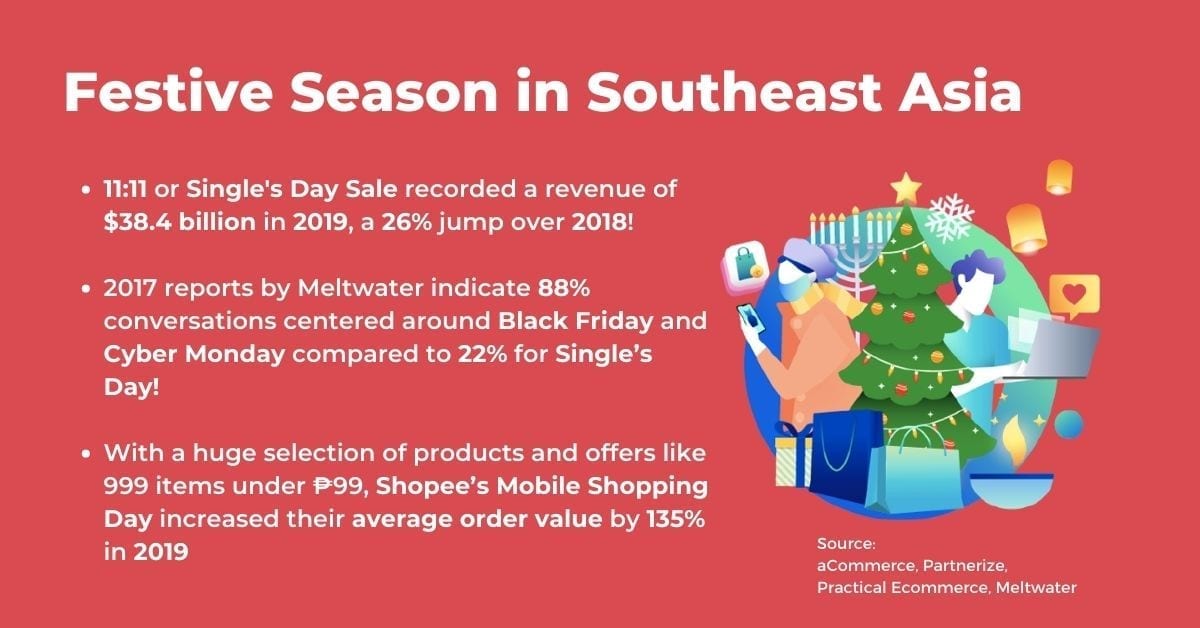
Southeast Asia: Nearly 40% of the online sales in Southeast Asia occur between October and December. Shoppers are open to purchasing from multiple brands and platforms.

festive season southeast asia

  • 11:11 (Single’s Day Sale): Started by Alibaba in November 2009, this 24-hour shopping event has become a global phenomenon.
  • Black Friday and Cyber Monday Sale: Generates a lot of buzz and dominates social media chatter across Singapore, Malaysia, and Indonesia.
  • Harbolnas: Analogous to Black Friday campaigns and Cyber Monday sales in the west, Harbolnas (Hari Belanja Online Nasional) or National Online Shopping Day, held in December every year, is Indonesia’s single biggest annual shopping event.

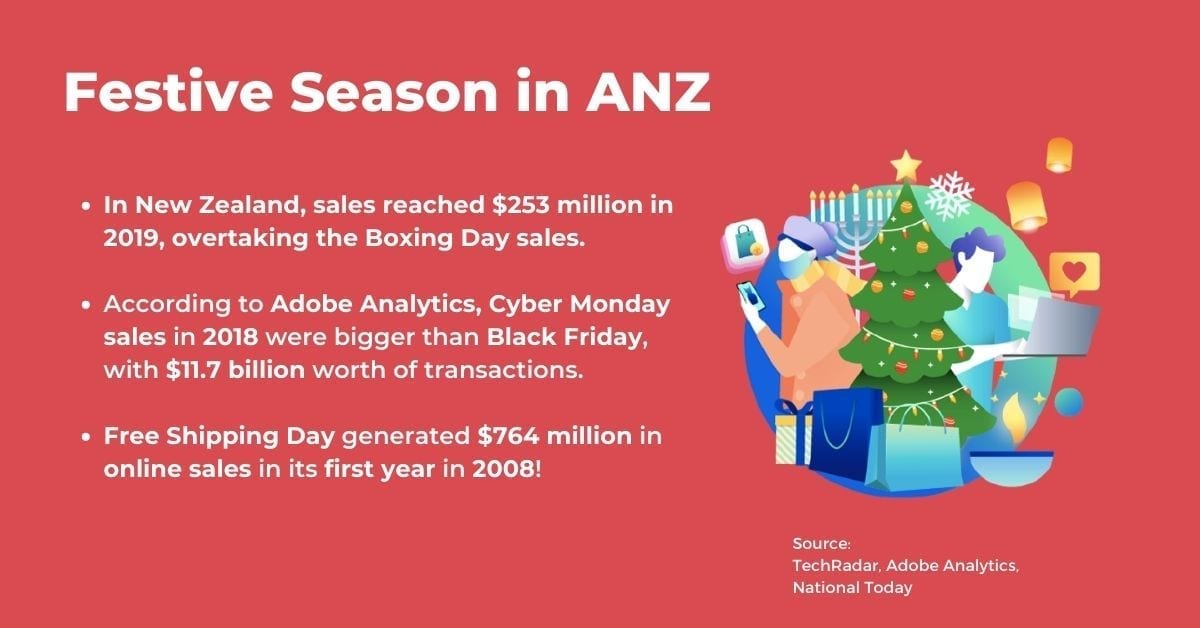
Australia and New Zealand: Actual holiday sales in Australia hit $7 billion for the first time in 2019. Shoppers in New Zealand have been warming up to Black Friday spending.

NZ Online Shopper Survey of 2018 revealed that 44% of shoppers admitted to shopping more than what they normally would, resulting in a 10.4% increase year-on-year in retail spends on Black Friday.

holiday season anz

  • Black Friday: Always bigger and better each year, research in 2019 has shown that Australians will spend $3.9 billion during this sale.
  • Cyber Monday: Great value offers across fashion, electronics and gadgets, travel, and more are the highlights of this sale.
  • Free Shipping Day: Held on December 14th, all products are shipped without any additional charges.

Previous campaign performances across geographies and categories

Holiday season 2020 is unlike any other owing to the pandemic and the ensuing crisis. However, to give you an idea of what to expect, here’s a brief overview of holiday marketing campaign numbers in the past along with key data points and trends:

  • In India, online shopping searches peak 2-3 weeks before Diwali with sites witnessing a 30% increase in their traffic during the holiday season. Interestingly, non-metro consumers are participating more enthusiastically in online shopping.
  • Apparel, accessories, and mobile phones are leading products purchased by consumers.

According to Google’s Consumer Barometer stats of 2017, 41% of Singaporean shoppers research online but shop offline. Offline retailers thus launch more in-store-only discounts and offer to attract online shoppers.

  • In Indonesia, although Ramadan is considered the biggest festival, marketers have been using the upcoming holiday season as an opportunity to grow sales. Apparels and accessories feature among the top searches during the holiday season.
  • In the Philippines, online shopping searches have increased by 57% in 2018 over 2017.
  • Apparel, footwear, food, and personal care are the leading categories for shopping. The shoppers are more focused on gifts that have utility and provide value for money.
  • Over the last decade, the Middle East has shown a steady increase in shopping around Christmas and New Year.

A 2019 Salesforce report showed that 76% of shoppers in UAE made holiday purchases from online marketplaces and 48% used Instagram as their main source of inspiration. Offline sales continue to remain relevant with 56% of shoppers purchasing products online but preferring in-store pickup.

  • In the US, 30% of all retail sales occur between Black Friday and Christmas. Black Friday witnessed a surge in sales, with 93.2 million buyers in 2019, 50.4% of whom were women, with millennials spending the most.
  • In Europe, Christmas retail was most extravagant in the United Kingdom and Germany with an average Christmas budget amounting to €461. The United Kingdom, Spain, and Germany were the biggest spenders with a year-on-year increase in online retail sales with apparel, consumer electronics, toys, and games as popular products.

According to the Inside Australian Online Shopping Industry Report, the holiday season accounted for 15% of all e-commerce transactions in 2018. Fashion, health and beauty, and homeware and appliances are among the leading products purchased online.

  • In New Zealand, nearly 60% of consumers planned to shop online for Christmas in 2019. A survey by PayPal revealed that discounts are a key attraction for shoppers in Australia. The survey also showed that seven out of ten Australians actively sought online discounts, while 50% waited till the item they wished to purchase was sold at a discounted price.

Holiday marketing trends

changes in 2020

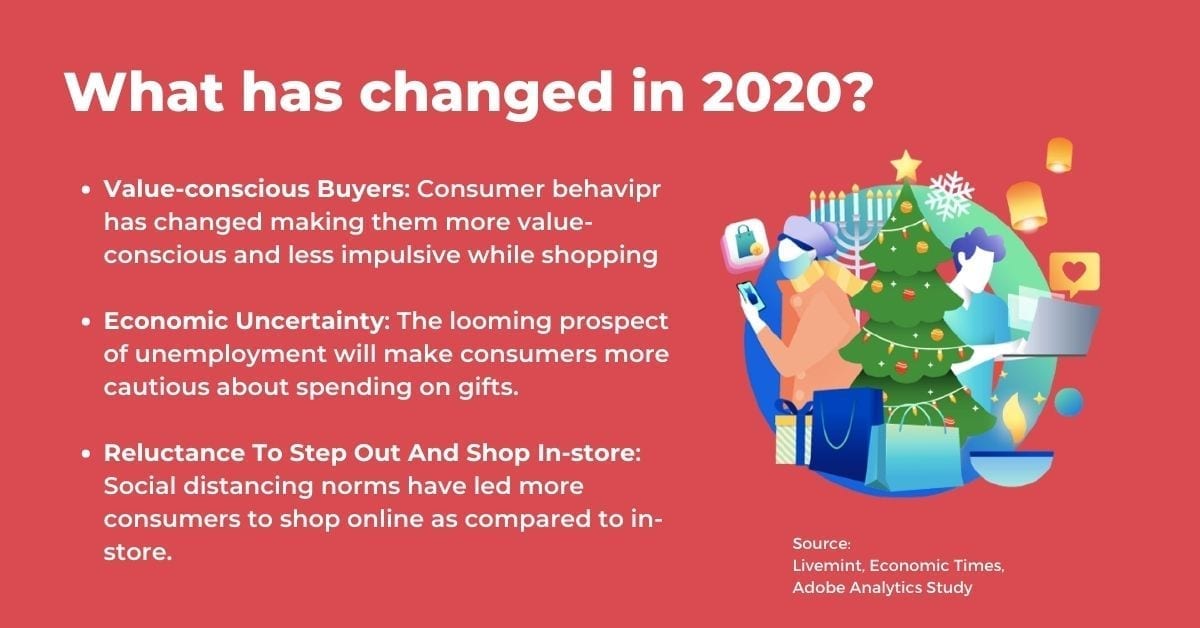
Despite the palpable excitement in the air, holiday seasons seem to be damp this year due to the COVID-19 pandemic. Here are some critical challenges and holiday marketing trends you’ll need to be wary of:

  • According to the World Health Organization, nearly half of the global workforce runs the risk of losing their livelihood due to COVID-19. The users would prefer to save money for the future instead of splurging.
  • COVID-19 has transformed millennials from swipers to savers. COVID-19 seems to have changed the spending habits of consumers not just in the United States but also in developing countries like India. Consumers will be more value-conscious and less impulsive while shopping. As Chris Farrell, the Marketplace Senior Economics Correspondent, puts it, “More people are embracing frugality or thrift.”
  • A holiday season seems incomplete without the images of people lining up outside retail stores as early as midnight to buy their favorite products. However, this year is going to be completely different. A new global study shows that 36% of shoppers now prefer weekly online shopping as compared to the 28% who chose the option pre-COVID-19. This is particularly challenging for brick-and-mortar shops that have relied mainly on in-store sales during the holiday season.
  • The disruption in supply chains due to the pandemic badly impacted the retail industry. In April, the retail sales in the United States plunged by 16.4% due to supply chain issues. Problems such as labor shortages, transportation restrictions, and border closures, have added stress on the retail supply chain and led to artificial shortages.

How to adapt holiday marketing strategies for this year?

Based on the above-mentioned holiday marketing trends, it is clear that the changing customer preferences coupled with economic uncertainty and reluctance to step out have affected how users will shop during the holidays. So, how do you adapt your strategies to win this holiday season?

Here are 3 tips for you to keep in mind while framing holiday marketing campaigns

  1. Keep multiple ad formats ready: It is wise to keep different formats and sizes of creatives ready for various channels. Limiting to the popular format gets you the majority of the impressions, there is high competition resulting in high CPM/CPI. Chances are, different formats, including the least popular sizes get you additional exposure at a much lower price.
    Keep testing to discover the most relevant ads for audiences coming in from different channels as they’ll have different expectations. Differentiating through dedicated ad formats for each channel is all the more important in 2020. The online ad space is getting crowded due to the entry of brands that weren’t investing during the pandemic’s peak. There are also newcomers who have recently moved from offline to online and they’ll go heavy on ad spends.
  2. Cater to the new lifestyle: Due to the pandemic new behavior, habits, attitudes, and lifestyles have emerged. Users are now working, exercising from home. You need to target these new personas by using relevant products. Study your user’s browsing and buying history. Leverage user data and insights to drive holiday deals and campaigns better targeting users.
  3. Keep up with travel habits: This holiday season, people are more likely to take short trips. Families could get away together to spend a portion of the holidays at a place other than their home. These short trips might have a positive end-of-year effect on hotels, restaurants, and other tourism-related industries.

Stay updated with all of our holiday marketing coverage right here!

Here’s What You Can Do Next 

How Customer Centricity is the Key to Growth Strategy [Customer Spotlight]

  • UPDATED: 13 December 2022
  • 6 minread
How Customer Centricity is the Key to Growth Strategy [Customer Spotlight]
Reading Time: 6 minutes
Editor’s note: Customer Spotlight is an initiative by MoEngage, where we talk to our customers to understand their growth strategy, customer engagement tactics, and best business practices.
Bonus Content

Toan Ngo manages Investor Relations at Logivan, and takes us behind the scenes on how to place customers at the heart of marketing. And how being customer-obsessed has contributed to Logivan’s growth. 

Tell us about your past roles and current role at Logivan?

I’ve been a generalist throughout my career at Logivan and have been in different positions. I started my journey with Logivan in 2018 as a lead backend Ruby on Rails developer. I built an app for Logivan drivers and shippers, and also a platform monitoring app. In April 2018, I moved to growth marketing and acted as a growth hacker to help the company acquire 13500 shippers and over 26000 truckers.

When the company grew bigger, I became the Marketing Manager and managed a team of 12 in Hanoi offices for multiple marketing campaigns. Currently, I’m working as an Investor Relations, assisting the company with the fundraising process, and providing regular updates about the company to our current and future investors.

How does a typical day at work look for you?

First thing in the morning, I look at my to-do list and eat my frog first, which means I do the hardest and the most important task of the day first. I make a lot of lists and prioritize the important tasks for the week. Later, I check on my team members’ progress.

I learned from Andy Grove’s three activities featured in the book “High Output Management” about:

  1. information gathering,
  2. decision making, and
  3. “nudging” others.

How Customer-centricity is the Key to Your Growth Strategy

I see my team members’ reports, check their progress, make important decisions, ask questions to push them in the right direction, and offer them help if needed. It is all about giving directions and get out of the way for my team to shine. The managerial process, I feel, could be much easier if managers follow the steps mentioned in the book. If you’ll not spend hours micromanaging your team members, then the output will be much higher as the team will be accountable for the trust you place on them.

During the day, I try to create uninterrupted blocks of time to get my tasks done outside of meeting times. I’m not too good at multitasking, so switching tasks cost me a lot of time and effort. Hence, I mute most of my Slack notifications, set silence mode on my phones for the day, and do not check messages once I’m in the zone.

Also, realized using distraction-blocking apps like SelfControl for Mac and Cold Turkey makes my life easier. I wrap up the day with making to-do lists for work to be done the next day, usually creating it at night. But I feel making the to-do-list in the afternoon helps me prioritize the important things the next day. Most days, I return home quite late. I wrap up my day at 7.30 in the evening. As I grow older, I understand the importance of sleep and eating. When I eat well, sleep well on a great mattress, and run regularly, I feel way more positive. I am able to achieve more things and have the ability to focus better.

What is your take on being customer-centric in marketing?

As a startup, we have six core values, of which the first one is customer obsession.

This is a lesson we took from Amazon. Their customer obsession core value has helped them grow from a small online bookstore to a trillion-dollar e-commerce giant. We measure customer obsession score monthly during the team’s performance review. We rate each team member based on their demonstration level. The demonstration level ranges from Level 0 (Not demonstrated) to Level 2 (Exemplified). Each team member is reminded constantly and rated based on how they deliver excellent experiences to our customers.

To bring the team closer to our customers (and to improve everyone’s score), we initiate monthly communication with our customers through chat or call. Sometimes, we also invite them to our office personally. We even take our members on truck trips to get the first-hand experience on how truck drivers operate, so they can get insights on how to serve them better. The trip ranges from a few hours delivery to two days North-South trips. The team members get a chance to see how our drivers drive, eat, and sleep for delivery. Those were memorable events, and we learned a lot during those field trips.

[Now you can also listen to Toan’s customer-centric growth marketing strategies on our podcast]

How do you think customer-centricity plays out as a part of a marketing plan?

Personally, I don’t think it’s necessary to add customer obsession to any marketing plan. It should be the company’s core value at heart. Focus on the customers first, then work backward. At Logivan, we have our ‘Monthly Lead-athon Strategy Meeting’ – an event where all heads of departments come together to discuss company strategy and restress the importance of focusing on delivering excellent services to our customers. In that strategy meeting, we set our Objectives and Key Results (OKR) and directions for the next quarters to improve both customer acquisition and retention. The marketing team, for example, will have its OKR goals, which then translate into all marketing activities.

We have a giant TV with gaming dashboards in the growth marketing team room where we monitor all necessary scores, along with other important metrics such as the number of trips, trucks, fulfillment, GMV. The scores serve as a constant reminder for the growth marketing team that how important it is to put the customers at the heart of any strategy or marketing plan we create.

Can you tell us one strategy where you put the customer at the heart of your marketing?

At Logivan, we believe that the more we understand what motivates our customers at a personal level, the more we’ll be able to work on our offering to reach their desired outcomes. We understand that the drivers spend all the available time away from their homes, families, friends to stay on the road to deliver products on time and to streamline the economy. Yet, drivers are extremely misunderstood – they are plagued by stereotypes from other people.

We organized a roadshow event series to thank the drivers for their diligent services and ensured any truck round Northern Border areas have the Logivan logo. Then there were social events organized to onboard drivers with our app. The events included giveaways, mini-games, karaoke, and sweepstakes. It was to create a place where our drivers could hang out with each other and socialize. We also encouraged them to install our apps during the event. That event series was a resounding success.

We onboarded a total of 1100 drivers during those events and received tonnes of branding impressions for Logivan. When we learned that it’s legally required for truckers to have reflective stickers in at the back of their trucks, we created truck stickers with the Logivan logo and provided them to our truckers. It costs us only $2 to print two stickers, but we have nearly 50,000 trucks with our stickers. It’s the most efficient branding activity we’d ever created, and we now have 5% of all trucks in Vietnam branded with Logivan. If you are in Vietnam, there is a chance that you’ll see a truck with our branding because they’re everywhere.
How Customer-centricity is the Key to Your Growth Strategy

What tools do you utilize that help you achieve better results?

I use Asana, Google Sheet, and Slack for project management. I recently switched to AirTable. AirTable has helped me organize my life, literally. I write down everything clearly so everyone can look at the mega AirTable projects. I, as a manager, can get a  big picture of the project descriptions, goals, KPI, and progress – all in a single AirTable base. Compared to other traditional project management software, AirTable is extremely customizable and easily manageable across projects. It’s also much easier to send it as a report to the upper management, so they get a clear picture of how the tasks are progressing. (If Airtable isn’t exactly what you are looking for, there are also many Airtable alternatives you can choose from.)

I also use other tools such as Agenda; Apple Notes for note-taking, Notability, and GoodNotes on my iPad, and Apple Pencil for brainstorming. Initially, I used Evernote and other note-taking apps, but soon found out that they are not designed for day-to-day work. Agenda organizes notes chronologically, so it’s very easy to look for the tasks you did yesterday, the tasks you will finish today and also other things that need your attention. I find it more work-friendly.

Apart from helping me organize my day-to-day tasks, these tools gave me recognition as a technology early adopter. Also, as a part of a technology company, I believe in embracing change and continuous learning.

Thank you, Toan, for taking out time to tell us about Logivan’s growth tactics and for sharing your project management strategies with us. 

Here’s What You Can Read Next

GDPR Considerations for Holiday Email Marketing Campaigns

  • UPDATED: 17 July 2023
  • 4 minread
GDPR Considerations for Holiday Email Marketing Campaigns
Reading Time: 4 minutes
  • Read how seasonal email campaigns are important for business
  • Explore six GDPR aspects marketer needs to consider when creating Christmas email campaigns.

It’s been over a year and a half since the new General Data Protection Regulations (GDPR) were introduced (get here a quick recap of effects of GDPR on mobile app marketing ), so you’re probably aware of it by now.

Under this new legislation businesses had to double their privacy settings and follow new rules in regard to collecting, using, and keeping sensitive personal data. At the time this meant a lot of changes and to this day means that companies need to consider at every stage of their business, but particularly during their marketing efforts. Otherwise, they could face a huge fine.

Bonus Content

👉 The Modern Marketer’s Quick Guide to Email Marketing [Download Ebook]

👉 Holiday Marketing Guide 2020: Trends & Actionable Strategies [Download Ebook]
It’s that time of year when many retailers or providers are spreading holiday cheer by slashing their prices or offering discounted rates to their customers. And one of the best ways to let them know about this is through seasonal email campaigns. The thing is before you begin sending out your promotional emails you need to make sure you’re ticking all the right boxes and that you’re fully GDPR compliant.

We understand that following the rules for holiday promotions and remaining compliant can feel like a huge task. Though hopefully, your business has good systems in place throughout the year to help you do this. But just in case you’re feeling unsure, we’ve put together this guide to help you prepare for the festive rush. Here are six things you need to take into consideration when creating your Christmas email campaigns.

1. You’ve got a list, but you need to check it twice

Let’s start off by looking at the data you already have. If you’ve found an old ‘Christmas’ list on your system, it can be tempting just to fire off a round of emails and try to re-engage customers from the year before. Sadly, this could leave you in breach of GDPR. It’s OK if you want to send seasonal promotions to them once again, but first, you must get re-permission to do so.

This means sending them a request outlining how you want to use their data, suggesting the benefits of them once again agreeing to receive your Christmas communications. Some might opt back in; in which case they can be added to an updated list. For those that opt-out or don’t respond it’s important that you remove their details from your systems as soon as possible.

2. You must always get consent 

One of the biggest parts of GDPR is consent. You need to make sure that before you collect anyone’s data you explicitly ask for their permission to do so and you clearly outline how you intend to use this information. If you are using personal data and you have not been granted permission from the individual, you could find yourself facing a lot of backlashes and potentially even a hefty fine. There are some simple steps you can follow to ensure you always get consent; these include:

  • Getting clued up on what is classed as personal data under GDPR
  • Using simple sign-up forms that are easy to read and understand
  • Always outlining how the data will be used – again, using simple language
  • Keeping a record of how and when you’ve asked for consent from each individual
  • Reviewing consents regularly

3. Only gather the essential data and use it for its intended purpose 

If you’re offering promotions and asking customers to sign up, you need to make sure that you’re not using the data outside the remits you have set out. So in this case, it’s likely that you’ll be offering promotions specifically for Christmas and the festive period. As such, you should never share these details with third parties or use them for anything outside of the Christmas promotions you’ve promised, unless they’ve given you explicit consent to do so. You should also avoid collecting unnecessary data. If you only need their name and email address, then only ask for this information.

4. Be careful with checkboxes 

When you’re asking for consent you might want to use pop-ups and sign-up forms. If you’re going to do this, you need to be careful with your checkboxes. A classic marketing technique used to be pre-ticking opt-ins without really asking for consent. Because of GDPR, this is no longer an option. You need to make sure that you’re not doing anything to trick users into signing up for your email campaigns if they don’t actually want to receive marketing materials from you. This includes old tactics such as adding “tick here if you don’t want to receive emails from us”. These can be misleading and can land you in trouble thanks to the new regulations.

5. Don’t keep the data longer than you need 

GDPR states that you should only keep an individual’s data for as long as is necessary and within the bounds of its original purpose. So, once you’ve used the data for its intended purpose ideally you should remove it from your system, again, unless the customer has explicitly given consent for you to use their information in the future. This is particularly true for Christmas promotions. After all, if someone has used your services and signed up for a promotional offer to get someone a gift, this doesn’t mean they’ll be buying other products from you all year round.

6. Make sure there’s an opt-out 

You need to make sure that you provide an opt-out option for those who have signed up for your Christmas campaigns. This is usually found either at the top or bottom of the email and should be a simple unsubscribe button to make it as easy as possible for users. This is because customers have the right to opt-out whenever they want, and they shouldn’t have to jump through hoops to do it. =

So, in order for your Christmas emails to remain GDPR compliant, you’ll want a clear opt-out option. And while you might think it’s a bad thing as making it easy for individuals to opt-out makes your email lists smaller, it also means that you’ll only be sending communications to those who actually want to receive them. This, in turn, will lead to higher conversion rates and better sales – so it’s a good thing really.

Here’s what you can read next:

  1. Know how CCPA affects your entire business? Check out this on-demand webinar video by CCPA expert Marit Davey.
  2. Learn more on GDPR – Understanding The Game Changer
  3. Learn whether GDPR was successful or just a scrape through One Year of GDPR and its Impact on Mobile App Marketing.
  4. Own an online store? Here are the 5 things you must know about GDPR
  5. Want to know how GDPR affects your marketing automation efforts? Here’s what every marketer must know.
  6. Get a free product demo and learn how MoEngage complies with GDPR.

Holiday Marketing Tricks That Can Help You Win Treats

  • UPDATED: 26 March 2026
  • 2 minread
Holiday Marketing Tricks That Can Help You Win Treats
Reading Time: 2 minutes
Bonus Content

👉 Holiday Marketing Guide 2020: Trends & Actionable Strategies [Download Ebook]
👉 Beginner’s Guide to Omnichannel Marketing for 2021 [Download Ebook]

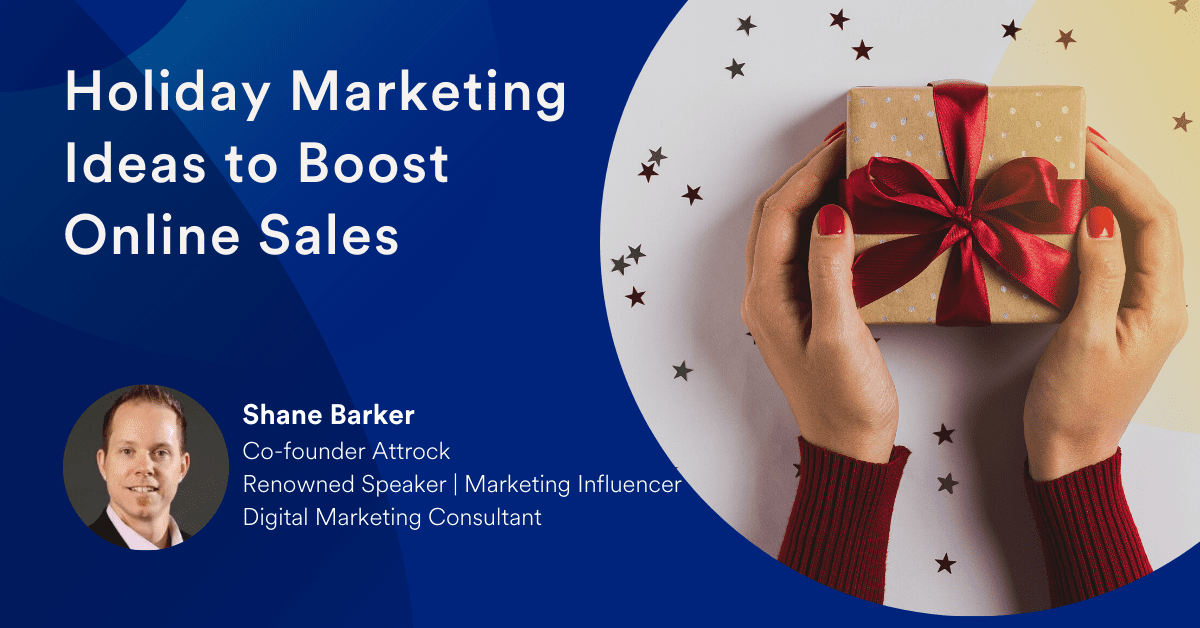
It’s that time already when everyone takes the spookiest clothes out of your wardrobe, and drops that innocent face to showcase the creepy one instead. Yes, HALLOWEEN is here. But, this ghostly holiday has more to its name than just being creepy—it’s coming up with the most exceptional, unique Halloween costume(s).

It’s something similar to us, the marketers, as well. We might not have the time to dress up, but we do busy ourselves by putting on that spooky hat to come up with some awesome, unique holiday marketing ideas.

Halloween marks the beginning of holidays, and it also marks the beginning of an unlimited shopping spree. This only goes to mean that e-commerce and retail businesses out there are upping their game when it comes to holiday offers and discounts. And, the marketers? We are upping our holiday marketing game by constructing marketing tricks that are not only useful but also offer treats to the overall business.

So while everyone is busy trick and treatin’ for candy, we are busy trick and treating with our prominent and unique holiday marketing ideas for ecommerce

So here are some awesome Holiday Marketing—Tricks and Treats…

holiday marketing tricks and treat for halloween

Here’s What You Can Read Next

7 Brilliant Holiday Marketing Ideas to Boost eCommerce Sales This Holiday Season

  • UPDATED: 18 July 2023
  • 6 minread
7 Brilliant Holiday Marketing Ideas to Boost eCommerce Sales This Holiday Season
Reading Time: 6 minutes
Bonus Content

Shoppers eagerly wait for the holiday season to buy their favorite products at big discounts. In fact, holiday retail sales crossed the $1 trillion mark in 2018. By implementing an effective holiday season marketing strategy on time, you can easily attract and convert these shoppers into customers.

Here are seven effective holiday marketing ideas to boost eCommerce sales during this holiday season.

1. Personalize Your Website

Personalization is the single biggest factor to attract potential customers. Create compelling and eye-catching landing pages this holiday season and fill them with offers that your visitors can’t resist.

Once you have created compelling landing pages, it’s time to focus on content personalization.

Here are some ways to improve content personalization on your site:

  • Assess your audience’s needs and prepare offers that match those needs.
  • Welcome customers by name and make it easier for them to buy the products they last browsed on your site.
  • Use analytics tools such as Google Analytics to get a detailed report about your visitors. You can identify the product pages they visited, the products they searched the most, and how long they stayed on a particular category page.
    This will help you provide offers that your visitors are most interested in. For example, you can prepare a list of the most searched products on your site and create special-offer banners to attract your audience. This will not only boost your sales but also increase customer satisfaction.
  • Use clear call-to-action buttons and design them keeping in mind your mobile audience. Remember, many people visit your site via mobile devices so optimizing your CTA buttons for both desktop and mobile is of the utmost importance.
  • Reach your customers at every stage of the buying journey. Optimize your website for every micro-moment starting from product research to product buying.
  • Add a Seasons greetings message with the name of the customer to maximize the impact of your overall message.
  • Instead of displaying a “sold out” message below the products that are sold out, let your customers know when it will be back in stock. Add a similar products tab on the same page.

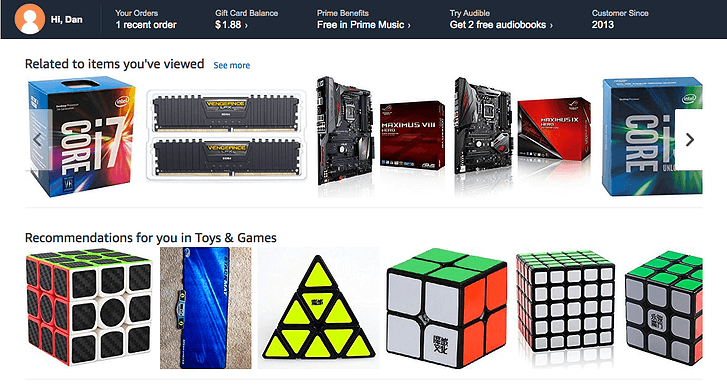
Amazon does this brilliantly. It personalizes the website for every user based on their past browsing behavior. For example, it displays items related to your browsing history. It also offers extra recommendations depending on your last orders.

Personalize Your Website example

Source

2. Improve Your Website Navigation

When you help your customers find the products they’re looking for, you increase their chances of converting, especially during the holiday season. To make things easier, you can consider adding a new holiday category tab.

Use clickable banners and imagery on the homepage to guide customers towards campaigns of Black Friday sales, Christmas combos, New Year specials, and more.

This will not only help them find what they’re looking for in seconds, but it will also boost sales.

7 Holiday Marketing Ideas to Boost Ecommerce Sales During This Holiday Season

Source

3. Partner With Influencers to Maximize Engagement

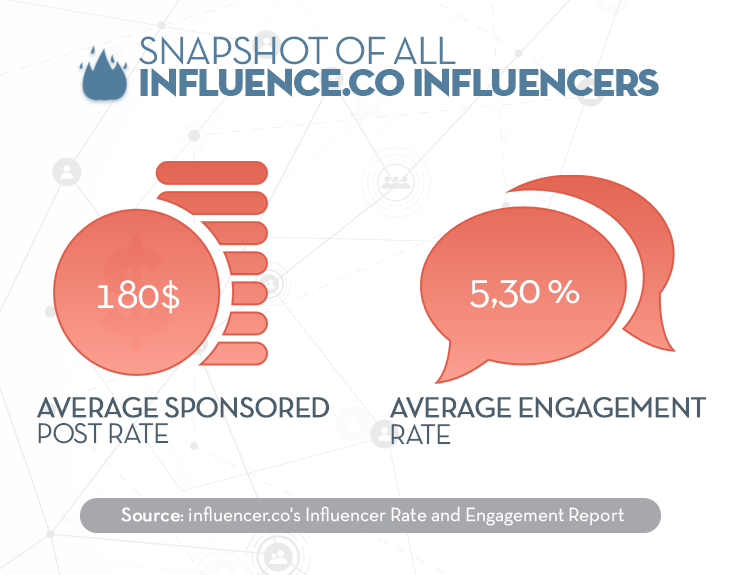
According to influence.co, the average engagement rate of influencer marketing on Instagram is 5.3% while the average sponsored post rate is $180.

Partner With Influencers to Maximize Engagement

If you look closely at the cost per average sponsored rate, you will notice that the charges of influencer marketing are less than the cost of social advertising. Influencers are a great way to reach your target customers because they already have a large group of people who trust them.

When influencers endorse your products and share your offers with their followers, it has a direct positive impact on your overall sales.

Moreover, it is important to choose the right influencer for your brand. Additionally, you also need to decide how you can inspire them to promote your brand. For example, you can pay them a fee for an endorsement or give them free products in exchange for a mention.

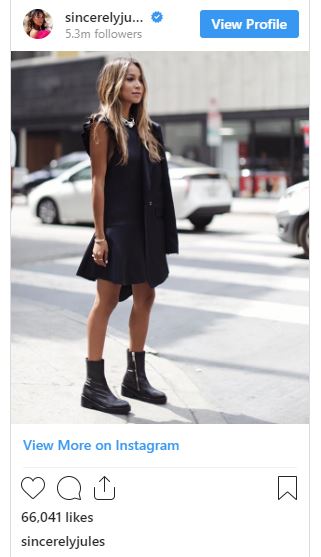
H&M partnered with fashion blogger, Julie Sariñana, to promote their fall 2017 catalog. The post received more than 66K likes on Instagram.

Partner With Influencers to Maximize Engagement

Source

4. Bundle Offers to Attract More Customers

Bundling offers is one of the best ways to attract potential customers and boost sales. Create a combination of three or more products and offer the whole package at a discount.

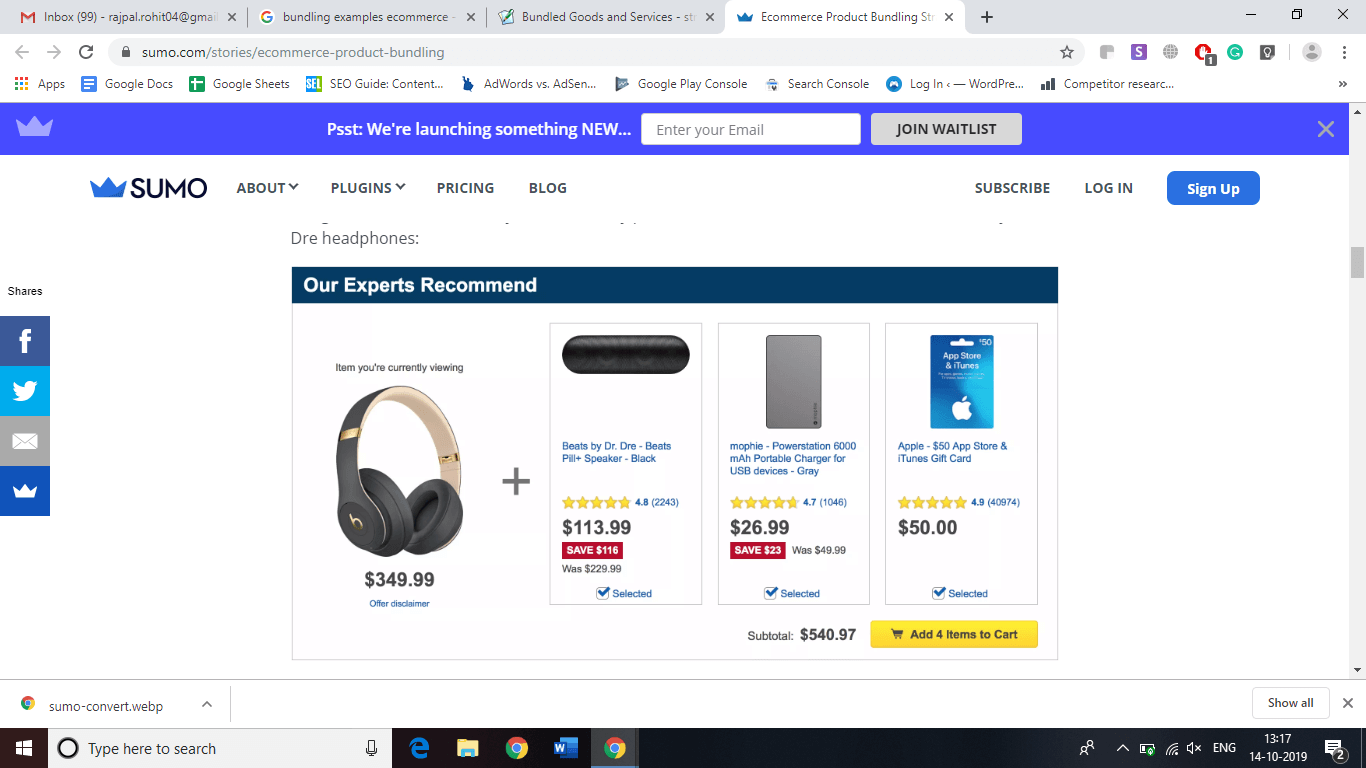
People always want to get the best value for their money. Therefore, bundled offers work like a charm during the holiday season. Additionally, you can look for opportunities to give freebies with the combos and still make a profit.

If you sell complementary products for your core product, you can offer a product bundle of core and complementary products. For example, if you sell wireless headphones, offer a Bluetoothbluetooth speaker, and a power bank in the bundling widget.

Bundle Offers to Attract More Customers

Source

5. Create a Sense of Urgency

The holiday season is known for deep discounts and special offers. Many companies even reduce their profit margin in order to increase sales and boost brand awareness.

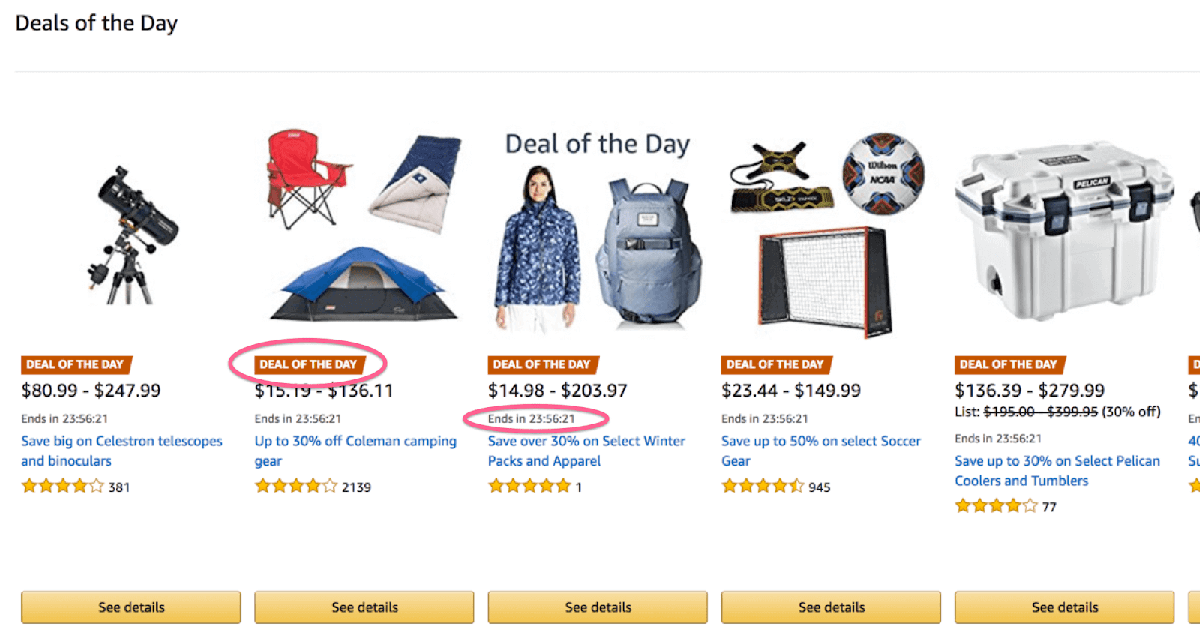
Limited time offers help retailers boost their sales while still maintaining their brand image. Use enticing phrases like “Deal of the Day” or “Deal of the Hour” to remind customers about these special offers. You can also use a timer that shows them how much time they have if they want to grab the deal.

Create a Sense of Urgency

Source

6. Leverage the Power of Email Marketing

The best way to spread awareness about upcoming holiday promotions on your online store is through email marketing. It’s better to start email campaigns 10-15 days prior to the holiday season with an alluring subject line. Here are some subject lines for your inspiration.

You wouldn’t want to irritate your customers by sending them emails every few hours just to remind them about your sale. When you start a week or two prior to the holiday season sale, you give enough time for people to prepare for the sale.

People can browse the products of their choice and keep their shopping carts ready. They are ready to buy as soon as the sale goes live.

Besides, by looking at your customers’ carts, you can have an idea of how much stock you will need when the sale goes live. You can increase your stock if necessary depending on the exact needs of your buyers.

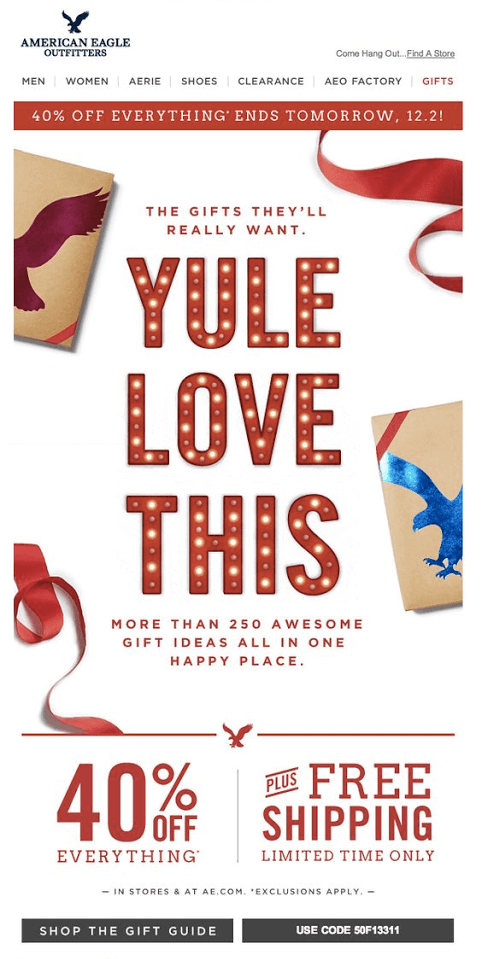
American Eagle Outfitters sent this email to subscribers to increase their sales during the holiday season. Notice the clever choice of words in the email.

Leverage the Power of Email Marketing

Source

7. Use Web Push Notifications to Remind Customers About Sales

Web push notifications can be sent only to the users who have opted to receive these notifications. Push notifications get 7x the total number of email clicks and have a 50% higher opening rate.

The best part about push notifications is that you don’t need any personal details about your visitors. You can simply send personalized notifications based on their browsing history.

Additionally, if you have a mobile app for your store, you can leverage the power of app push notifications to further increase your engagement rate.

Final Thoughts

Every holiday season provides a golden opportunity to increase sales. Start optimizing your website and improve your site navigation. This will help your visitors to find holiday-specific products and gifts easily.

You can also leverage the power of influencer marketing, email marketing, bundle offers, and push notifications to attract potential customers. 


Here’s What You Can Read Next:

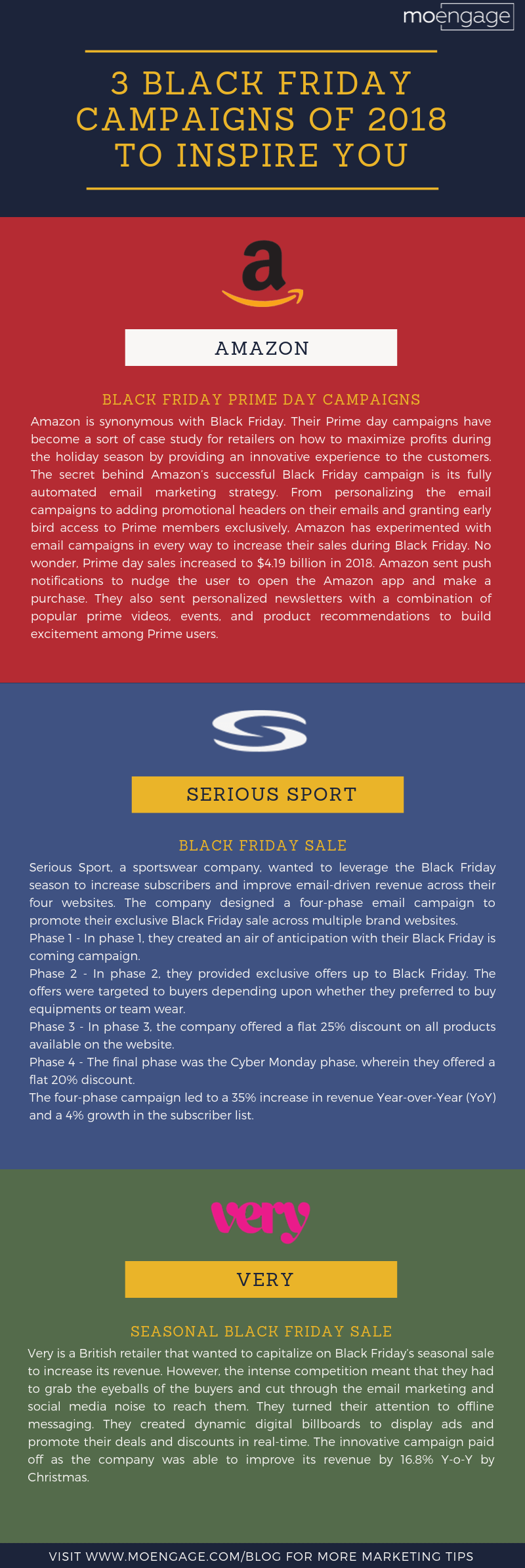
3 Black Friday Campaigns to Inspire Your Holiday Marketing Strategy

  • UPDATED: 26 July 2023
  • 5 minread
3 Black Friday Campaigns to Inspire Your Holiday Marketing Strategy
Reading Time: 5 minutes
Bonus Content

Who doesn’t love the frenzy of holidays, especially Black Friday that gives the best of the best offers!

Black Friday marks the beginning of the Christmas shopping season when people line up outside shops or browse their favorite e-commerce website as early as midnight to get the best deals on some of the products they desire throughout the year.

What began as a parade after Thanksgiving day to announce the unofficial start of the holiday season soon grew into the biggest shopping carnival of the year in the early 1980s.

Today, it accounts for billion-dollar sales for retailers and e-commerce websites. This directly impacted the overall holiday marketing for eCommerce and retail and turned it into a big thing.

A study by Adobe Analytics, for example, revealed that online sales during Black Friday jumped by 23.6% in 2018, clocking $6.22 billion. It was also the first time when smartphones played a pivotal role, with more than $2 billion in sales stemming from it.

Adobe also revealed an interesting fact that the click and collect orders have gone up by 73%, which indicates that many shoppers prefer ordering products online and picking it up from the retail shops. This was further reinforced by a survey by McKinsey that revealed that nearly 48% had planned to shop online and in-store on Black Friday. Even BestBlackFriday.com had predicted the omnichannel shoppers to increase from 24.3% in 2017 to 35.6% in 2018.

Source: eMarketer

Changing Behavior of Holiday Shoppers

As more and more shopping websites compete for shopper’s attention and as more channels proliferate, the buying behavior of the shoppers has also undergone a massive change. Shoppers are no longer loyal to a single brand. They prefer to compare prices, peer reviews, and purchase the one that matches their expectations. They have also transformed from being impulsive to purchasing with purpose. Think with Google reveals that holiday shoppers do extensive research online. So, although there is a decline in foot traffic on Black Friday, the percentage of store traffic increases the week before Black Friday. This means that the retailers and e-commerce websites need to be prepared in advance to offer the best deals and experience to the customers before their competitor does it.

What’s in Store for Holiday Marketing?

  • Week-long affair: Black Friday is no longer a one-day affair; it has become a week-long affair in recent times. The Black Friday sales begin as early as Monday. The Salesforce Commerce Cloud data reveals that the total global sales in the holiday season will be up by 15% year-over-year (YoY), and the total sales will reach $768 billion.
  • Click and collect format will gain prominence: According to Salesforce, the click and collect format will be a gateway for retailers to increase their revenue within a short period. While e-commerce websites are predicted to witness a 28% increase in their in-store order pickup, retailers are expected to attract 48% more digital shoppers to their sites.
  • Personalization: Salesforce predicts personalization and Artificial Intelligence (AI) to play a prominent role this year. Last year, buyers who were shown personalized product recommendations had a 26% higher average order value than those who did not engage with product recommendations.

Common Mistakes that Marketers Should Avoid this Black Friday

The Black Friday week is your time to boost your sales and earn comfortable profits for your company. It is, therefore, crucial to avoid all the common pitfalls and create a successful marketing strategy. To begin with, here are a few common mistakes that you must avoid this year.

1. Waiting till the last minute: A report by Think with Google revealed four types of holiday shoppers:

A common trait among all the four types is that they spend a lot of time researching and browse before purchasing. Most marketers wait till November to plan and execute their marketing campaigns. In a hyper-competitive season like this, this would mean losing out on sales and revenue.

  • What to do: You have heard the famous proverb an early bird catches the worm. Well, be that proverbial early bird and start planning your marketing campaign right away. You can begin with sending Black Friday teaser email campaigns to your customers or do social media promotions, or even create content such as gift guides for shoppers. The earlier you begin, the better are your chances of grabbing more eyeballs and sales.

2. Focusing on just one channel: Most marketers focus on only one channel for marketing. Buyers switch between various platforms and devices while shopping for products. So, focusing too much on just one channel and ignoring the others could lead you to burn your fingers.

  • What to do: Your offline and online channels cannot function in silos. Develop an omnichannel marketing strategy that ties all the marketing channels together and creates a seamless experience for your customers. So, irrespective of whether your customer shops online or picks products in-store, the experience must be consistent throughout.

3. Ignoring personalization: 38% of the retailers acknowledge competition as the top challenge they face during the holiday season. However, despite knowing this, marketers ignore the potential of personalization and resort to sending blast emails. With customers demanding more relevant offers, marketers need to up their personalization game to break through the noise and attract more buyers.

  • What to do: Chart out the customer journeys and add personalization in each step to make the offers relevant to the customers. From offering personalized product recommendations on the website to sending personalized emails, there are several options available to engage with the buyer at every stage.

4. Ignoring remarketing: Cart abandonment is a nightmare for e-commerce websites, with over 75% of the shoppers abandoning their cart during Black Friday. Although shoppers add products to the cart, they prefer to compare the prices on different websites before buying. Sometimes the buyers may have just forgotten about the product added. In either case, marketers should try remarketing to attract users back to the website.

  • What to do: From sending push notifications to emails reminding the buyer of the abandoned cart, to even offering discounts, there’s a lot you can do to bring buyers back to the website. The bottom line is to continue the communication with the buyer to nudge them to make a purchase.

3 Black Friday Campaigns to Inspire Your Holiday Marketing Strategy

Holiday Marketing - 3 Black Friday Campaigns 19

Now that you have a fair idea of the popular trends and the mistakes you must avoid, we believe it will be easier for you to start creating your Black Friday campaign. Black Friday is just few months away, so don your marketer’s hat and start working on a fool-proof strategy to create winning campaigns. Keep checking our blogs, as we will continue sharing ideas and inspiring stories from marketing leaders to inspire you.

Here’s What You Can Read Next

5 Brilliant Mother’s Day B2C Marketing Campaigns

  • UPDATED: 02 September 2022
  • 3 minread
5 Brilliant Mother’s Day B2C Marketing Campaigns
Reading Time: 3 minutes

If there’s something that’s irreplaceable in our lives, it has to be the unconditional love by mothers. This is why Mother’s Day is one of those few days which strike a chord with almost everyone. It gives us a chance to value the different aspects of this invaluable relationship. While the theme itself nurtures a lot of lovely memories and affection, it takes well-executed Mother’s Day B2C marketing campaigns to bring these beautiful characteristics to center stage.

Bonus Content

👉 Holiday Marketing Guide 2020: Trends & Actionable Strategies
With Mother’s Day around the corner, we’ve compiled these five marketing campaigns that truly celebrate the spirit of motherhood.

1. Pandora

Pandora, a Danish jewelry brand, has been winning the market with its charm bracelets, specially customized to wearer’s characteristics and traits. But once the concept of personalized jewelry became common they had to come up with something new, something much more unique. Pandora is first on our list because of the innovative path it took to connect with their audience. They started conversing with users through the “My Strong Mother” campaign which celebrates feminism and image of a strong woman.

2. Mercedes India

Mercedes India took a very relevant day-to-day experience and turned it around to acknowledge the endearing place mothers hold in our lives. With the campaign “The World’s Safety System”, Mercedes brought into the picture a mother’s role as her child’s safety system. This campaign crowned mothers as the “Most Adorable Safety System” generating close to 25K views and more than 2K likes on Twitter.

Source

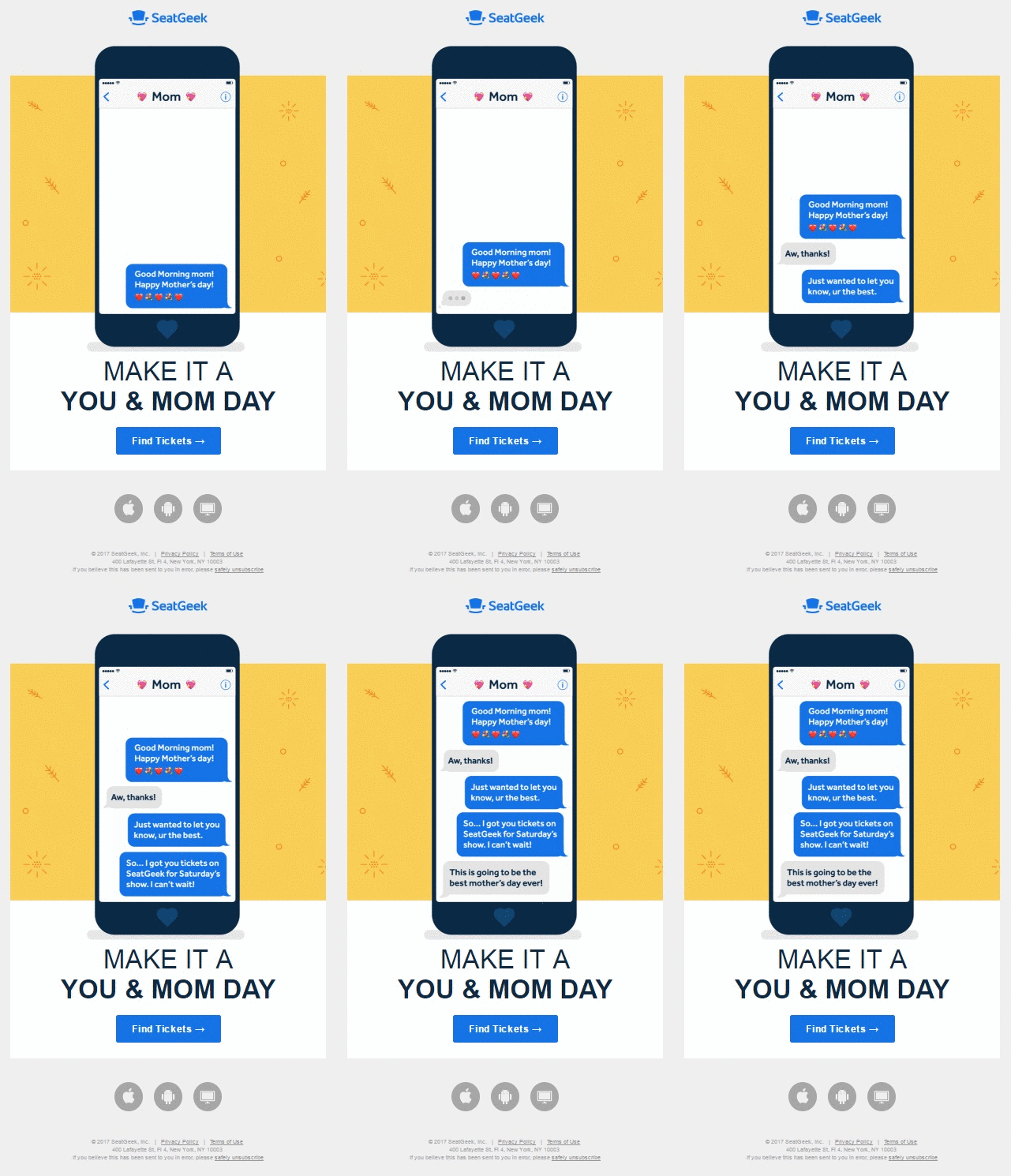
3. SeatGeek

SeatGeek sent an interactive GIF email displaying an adorable mother-child experience. Through the GIF, the brand was able to connect 1:1 with users to encourage them to buy “experiences” for their mom on Mother’s Day. Take a look.

Source

SeatGeek Mother's Day Emailer

4. Star Plus with BCCI

This is a perfect example of brands joining hands to amplify their impact around a theme. Star Plus, a satellite television network teamed up with BCCI(Board of Control for Cricket in India) to celebrate Mother’s Day right on the playfield. In the finals, the Indian cricket team wore jerseys with their mothers’ names on the back instead of their own. Take a look at this campaign that earned more than 4K retweets and 9K likes.

Source

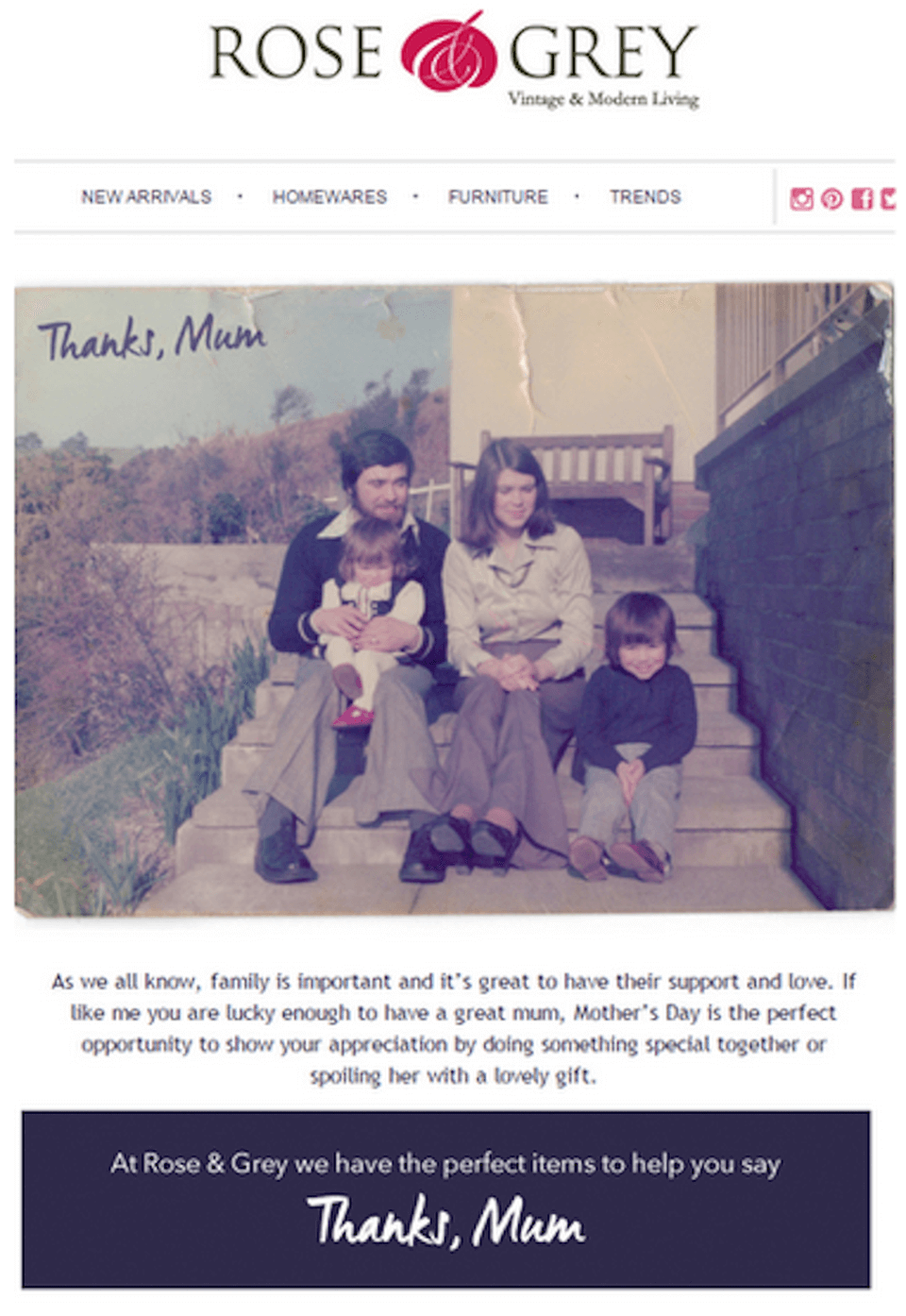
5. Rose & Grey

Do you want to know how to use nostalgia in marketing? Rose & Grey is a vintage furniture brand that leveraged nostalgia like none other in 2016. For Mother’s Day, they launched their founder’s childhood pictures in the vintage setting. This helped the brand stir childhood memories among their audience. They made a clean finish with the footer depicting “Thanks, Mum”.

Source

Rose & Grey Mother's Day Campaign Rose & Grey Mother’s Day Campaign

Mother’s Day is an exciting opportunity for marketers to connect with their target audience with the right messaging. Not only because we all love our mothers but also because we all relate to these campaigns instantly. Right from themed videos, brands are using everything from email, social, joining hands with other brands to website makeovers.

What’s your favorite Mother’s Day campaign? Share them through the comments section below.

Here’s What You Can Do Next:

  • Check out the highly successful Black Friday campaigns from top global brands to get inspiration for framing holiday strategies!
  • Before you start sending out holiday communication, check out these GDPR considerations you need to be aware of!
  • Read a case study on White Wednesday Sale by Landmark Group witnessed Uplift in purchases

7 Marketing Mistakes to Avoid During the Holiday Season

  • UPDATED: 16 July 2023
  • 5 minread
7 Marketing Mistakes to Avoid During the Holiday Season
Reading Time: 5 minutes

The holiday season is most crucial for retail and e-commerce businesses. According to NRF’s Director of Industry and Consumer Insights Katherine Cullen, 89 million consumers shopped both online and in stores, a nearly 40 percent increase from a year ago. Also, consumer confidence is high this holiday season, as consumers say they’ll be spending about $1,000 on average on gifts and other items for the holidays.

If you look at the holiday sales statistics, the last two months of 2017 brought in sales worth $691.9 billion.

Bonus Content

The bottom line? There’s money to be made during the holidays and businesses that are not leveraging for the season are losing money.  Avoid this loss, as a seasoned and new store owner, by learning from the top and unique holiday marketing campaigns and steering clear of the following holiday marketing mistakes.

1. Not Planning for the Influx of Orders

Plan to have enough hands to cope with the flurry of orders that characterize the season. Avoid overwhelming by planning ahead. Get seasonal workers if you have to. Get excess inventory as well as extra packing materials. Just ensure to fulfill orders to avoid disappointing customers. If you ever run out of stock, try allowing visitors to reserve items for when they are back in stock.

Also, it pays to check with your website host to make sure your site can handle the extra traffic that comes with the holidays. You don’t want a situation where your website crashes and leads to a loss of sales.

2. Lack of Live Chat and Support

Avoid pushing away potential customers by getting their urgent questions answered. Set up a live chat and support line (this could be through email, phone, physical presence, etc) to engage customers and help them in their rush to make good purchase decisions. Ensure to get your team acquainted with the live chat and support systems you decide to use ahead of the holidays. Setting up automated messages can also empower your team to respond faster and get more eyes to become buys.

3. Not Investing in Paid Advertising

Investing in paid advertising enables you to reach new and existing customers. All you have to do is to create a custom audience based on your existing Facebook followership. Running ads to this group enables you to reach customers who are ‘receptive’ to your brand.

You can also target previous website visitors and segment them based on the actions they took. Visitors who added a product to the cart can be encouraged to complete their order with a remarketing ad.

One brand that has recorded success with personalized display ads is nd24, a German beauty, and cosmetics retailer. The company got a 30 percent holiday revenue lift by running retargeting campaigns to reach both first-time buyers and existing customers.

4. Lack of an Email Marketing Strategy

Email marketing helps to maximize holiday sales. A Shopify report for the 2017 Holiday Season said email converted more shoppers into customers, ahead of search, direct mail, and social.

Not having an effective email marketing strategy means losing out on potential sales. To fully leverage on email marketing, you’ve got to know your holidays, plan your campaigns ahead, start your promotions early, segment your list, use holiday email templates (to spruce things up a bit), send post-purchase emails (to drive additional sales), employ the use of urgency, and offer exclusive holiday deals.

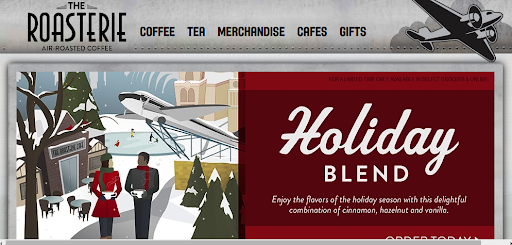
For example, The Roasterie, a coffee retailer, used a 13-part holiday email campaign, to boost online orders by 24.4 percent, compared to 2016.

The Roasterie holiday email campaign

And if you’re wondering how to dodge the Promotions tab in Gmail, take a look at The Email Marketer’s Survival Guide below.

5. Not Optimizing for Mobile Sales

Salesforce’s 2018 Holiday Season Report predicts that mobile devices will drive 68 percent of all e-commerce website visits. The reality is, more than half of your visitors are interacting with your emails and website through phones. Take advantage of this huge shift by making your emails mobile-friendly. This requires that you simplify your email template design, write shorter subject lines, and use an image to link your primary call to action. Also, consider making your landing pages render well on mobile.

6. Poor Checkout Experience

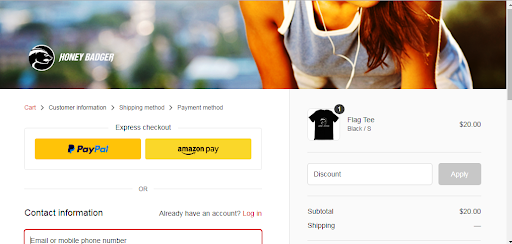
Steer clear of cart abandonment by making it easy for customers to buy. Make your checkout frictionless by minimizing the number of fields on your checkout form, show progress bars to ease customer impatience, avoid slow-loading checkout systems, allow customers to buy without creating an account, stop the use of captcha forms, and maintain short delivery times. Clothing and supplement retailer HoneyBadger even offers an express checkout option for customers who’re in a hurry.

Poor Checkout Experience

7. Not Leveraging YouTube and Social Media

68 percent of shoppers visit YouTube before making a purchase. To sell more, you’ve got to have a Youtube marketing strategy like GoPro action cameras. The company doubles profits by allowing users to upload exciting and amazing footages captured with the camera.

Not Leveraging YouTube and Social Media

Incorporate your social media strategy alongside that of YouTube as 50 percent of users say a brand’s social media presence largely determines whether they’ll patronize the brand during the holidays.

Increase your social media activity during the holidays by decorating your page to reflect the mood of the season, creating a content calendar with key dates, publishing Holiday-themed posts, using festive hashtags, sharing your promotions, creating gift guides, asking questions about the season, including strong visual elements in your content, running giveaways and contests, hosting virtual events, and offering exclusive gifts to encourage referrals through your social channels.

Furthermore, check out 7 brilliant holiday marketing eCommerce ideas to boost sales this holiday season.

Conclusion: Avoid These Holiday Marketing Mistakes

Looking out for the holiday marketing mistakes above will improve your campaigns. But, you should remember to analyze and learn from previous years’ statistics and campaigns. This would help to create better campaigns and meet customer needs. Planning ahead is essential. Avoid a rushed and haphazard campaign by taking the time to prepare and optimize your campaigns. So, which of these holiday marketing mistakes are you making?

This article was first published on ClickZ.

5 Lessons to Learn From Successful Holiday Marketing Campaigns

  • UPDATED: 30 November 2023
  • 6 minread
5 Lessons to Learn From Successful Holiday Marketing Campaigns
Reading Time: 6 minutes

The holiday season is here — marketers are you ready? From engaging shoppers on social media to brainstorming attractive offers and campaigns, you’ll need new ways to attract customers and nudge them to complete purchases. As you plan memorable holiday marketing strategies for this year’s holiday sale, take a look at these lessons from the best-performing campaigns across the years.

Bonus Content

👉 Holiday Marketing Guide: Trends & Actionable Strategies [Read More]

👉 Beginner’s Guide to Omnichannel Marketing for 2021 [Download Ebook]

👉 Landmark Group Observes 56% Uplift in Purchases during the White Wednesday Sale [Download Case Study]

👉 Popular U.S. Bridalwear Brand Cocomelody Observes 30% More Sales  [Download Case Study]

Get your eggnog and prepare yourself for some quick tips on successful marketing this holiday season.

#1 Emotions Work. Always.

The holidays are a lot about spending quality time with your family and friends. Heathrow airport, the second busiest airport in the world becomes busier with people traveling back home for holidays. Heathrow Airport did a phenomenal job of capturing the sentiments of the holiday season through its Homecoming advertisement in 2016. The ad shows two Heathrow bears, supposedly an old couple, coming home to spend holidays with their grandchildren. The ad captured the smallest acts such as waking up the partner when the flight lands, to thinking twice before stepping on the escalator beautifully. It’s impossible to not relate to it. Though the ad did not talk about the airport, it played a major role in the entire film production. Everyone on social media loved the ad, some even calling it better than John Lewis’ Buster the Boxer ad. Heathrow continued with the homecoming story last year. However, this time they traced the journey of the Heathrow airport in the last 50 years – take a look at the video here:

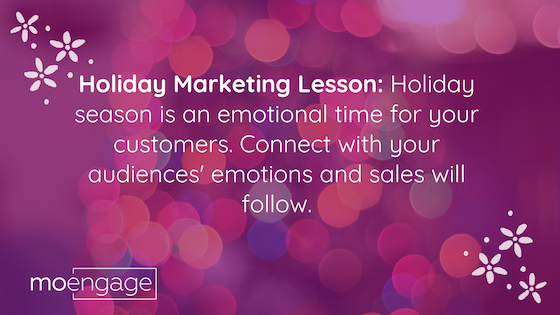
Holiday Marketing Lesson 1

The holiday season is also an emotional time for your audience. Focus on connecting with your audience through their emotions and sales will follow.

Holiday Marketing Lessons | MoEngage

#2 Holiday Marketing Campaigns for B2B

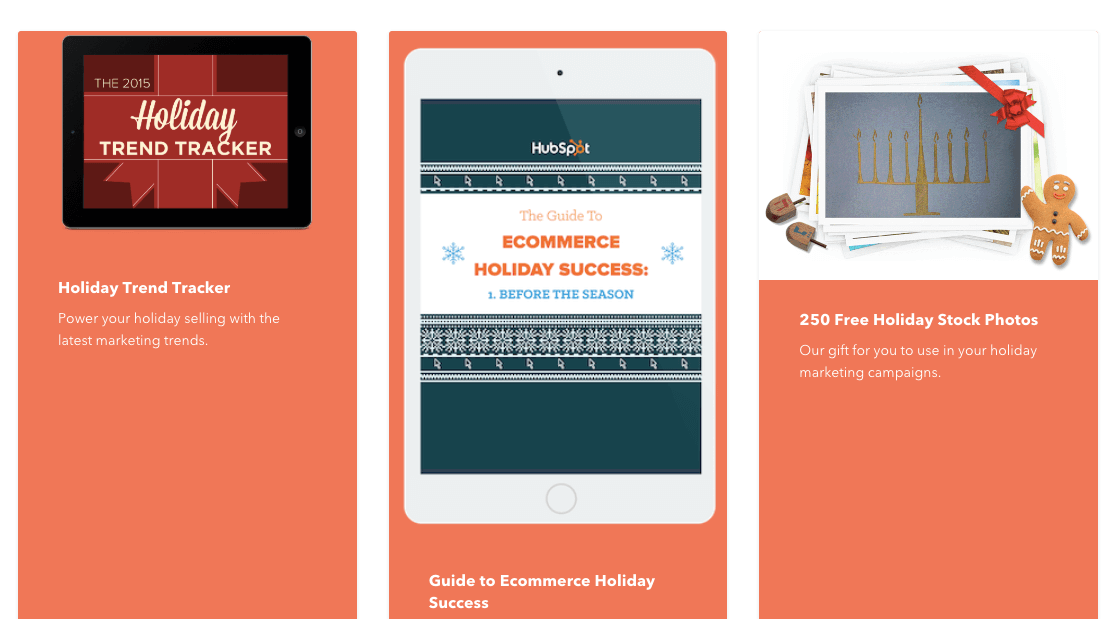
Holiday marketing is not just about promoting offers and deals to your end customers. It is also about educating them and promoting their businesses. So, if you are a B2B marketer and have not planned holiday marketing campaigns yet, this is the right time to do it. WeWork, a leading co-working space provider created a #wwgiftguide campaign that featured gifting ideas for families, gifts to get the party started and gifts for digital nomads. The best part of the campaign was it featured products of its member companies. Inbound marketing software like HubSpot was also at the forefront of B2B holiday marketing in 2017.

Holiday marketing campaigns | MoEngage
Source: HubSpot

To help companies maximize their marketing efforts during the season, HubSpot put up a holiday-themed microsite that had everything from blogs on holiday marketing, eBooks on successful marketing, to helpful tools such as holiday trend tracker.

Do also check out the 7 brilliant holiday marketing ideas to boost eCommerce sales this holiday season.

Holiday Marketing Lesson 2

Holidays are meant for giving and sharing with your near and dear ones. This applies to B2B companies too. Think of memorable holiday marketing campaigns and giveaways for your customers. Unleash your creativity — it’s the holiday season after all.

Holiday Marketing Lessons | MoEngage

#3 Add Goodness To Your Marketing Campaigns

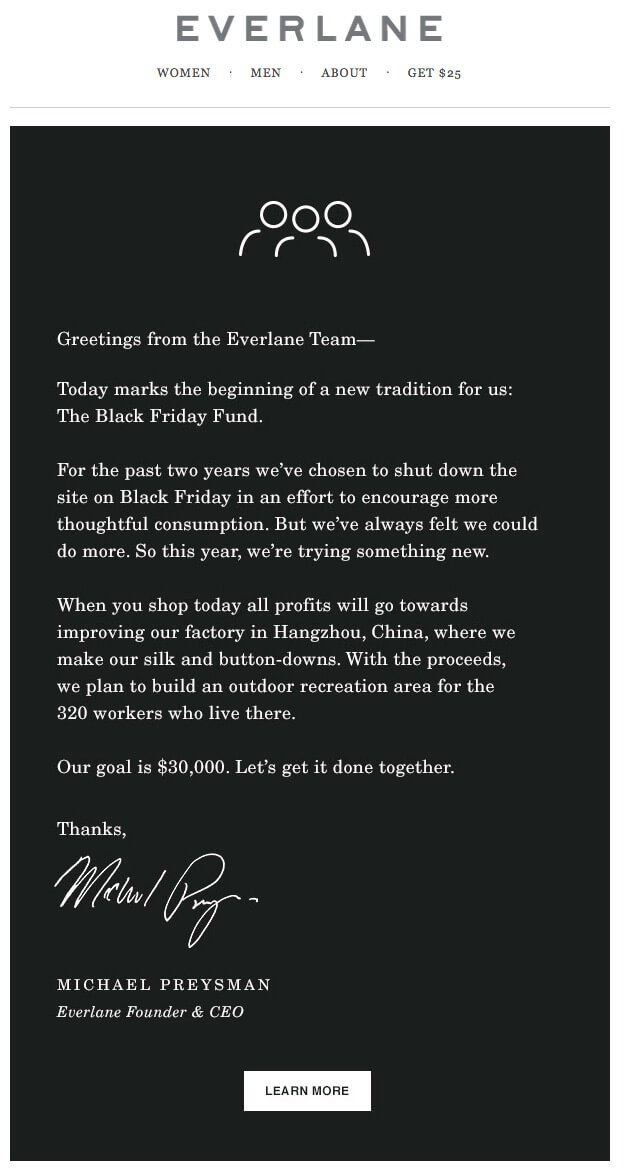
Spread happiness, and cheer this holiday season through an act of goodness. Everlane, a t-shirt manufacturing company, initiated a Black Friday Fund last year. The brand leaned on email marketing to inform its customers that all proceeds collected during Black Friday campaigns would be used to improve the working conditions at their Chinese factories. They also mentioned the sales figure they planned to achieve during the season. The non-pushy, simple email struck a chord with many buyers.

Holiday marketing lessons | MoEngage
Source: Shopify

Holiday Marketing Lesson 3

Think of ways in which you can add goodness to your campaign. If you support an NGO or if there is any special cause that you wish to promote, then you may include that in your campaign to create a positive image for your brand.

Holiday Marketing Lessons | MoEngage

# 4 Find Ways To Make Holidays Less Stressful

Holiday marketing | MoEngage
Source: Zmags

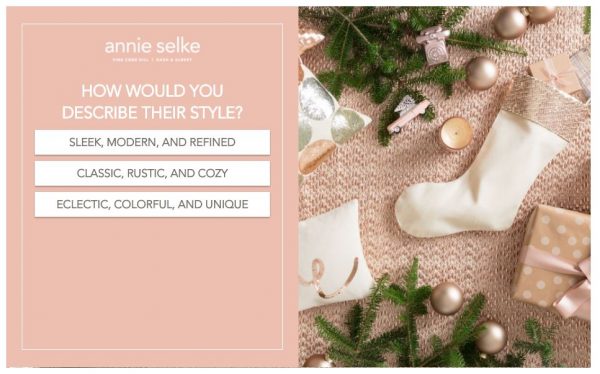
Fun, as it might seem, the holiday season can also become stressful when one has to think of ideal gifts for family and friends. As a marketer, you must provide a good offline and online experience that makes it simpler for the customer to make that decision. Annie Selke, a website that offers functional products for homes, created a personality quiz to help shoppers select the right gift for their near and dear ones. This interactive marketing kept buyers engaged on the website and took the stress out of gift shopping.

Holiday Marketing Lesson 4

Find ways to reduce the stress for your customers. It can be a personality quiz as in case of Annie Selke or a holiday guide of curated products — help your buyers find the right gifts for their friends and families.

Holiday Marketing Lessons | MoEngage

#5 Amplify Your Mobile Marketing Strategy

Last year, over 61% of the web traffic to retail websites were from mobile phones. Shoppers prefer to browse through products and order them on the move. You cannot ignore the power of mobile phones and should focus on a razor-sharp mobile marketing strategy for the holiday season if you haven’t already done so. Walmart, for instance, revamped its SEO strategy for mobile and gave a preview of their upcoming deals to users who downloaded the app. Similarly, Amazon offered mobile-only deals that were not available on the website and offered customized incentives to its app users through push notifications. This increased the traffic to their mobile app and enhanced the user-engagement.

Holiday Marketing Lesson 5

Plan your mobile marketing strategy to engage customers who prefer to shop through their smartphone. Push notifications are a great way of informing your clients about new offers and deals and driving traffic to your website and app. Choose a push notification platform that will help you segment and tailor the push notification messages sent to your customers.

Holiday Marketing Lessons | MoEngage

Get Started With Holiday Marketing Campaigns

According to the International Council of Shopping Centers, holiday shopping in 2018 will be worth $807 billion and over $685 billion will be spent on purchasing gifts and other holiday products. As a marketer, the onus lies on you and your team to create a seamless shopping experience for your customer especially in the digital space. With so many marketers vying for your customer’s attention, it’s important to break the clutter. Push notifications are the best way to do it. You can send personalized messages and flash notifications to your customer with push notifications. MoEngage offers an AI-powered push notification platform that can help you create different marketing campaigns for your diverse audiences, analyze their performance, and engage with users across their preferred channels. The laser-sharp targeting and 1:1 communication will help in building better engagement with your clients during the holiday season.

Request demo on MoEngage


Here’s What You Can Read Next

5 Holiday Season Promotion Ideas and How to Optimize Them

  • UPDATED: 01 September 2022
  • 4 minread
5 Holiday Season Promotion Ideas and How to Optimize Them
Reading Time: 4 minutes

It’s that time of year again! While everybody is busy making travel plans, us marketers, are working overtime, trying to crack holiday season promotion ideas and campaigns. The holiday season is a once-a-year window of opportunity to boost revenues, making it imperative for marketers to run well-conceived promotions and campaigns to make the best of the season.

In 2015, Cyber Monday digital sales touched a whopping $3 billion. What’s also interesting is the almost 50% increase in m-commerce spending as reported by comScore. Marketers need to sit up and take note of these statistics as they show the spending potential of shoppers and how and where they prefer to shop during the holiday season. To help you (marketer) get your share of the overall $3bn holiday season spending, we have jotted down a few holiday season promotion ideas which you can implement.

Bonus Content

👉 Holiday Marketing Guide 2020: Trends & Actionable Strategies [Download Ebook]
👉 Beginner’s Guide to Omnichannel Marketing for 2021 [Download Ebook]

👉 Landmark Group Observes 56% Uplift in Purchases during White Wednesday Sale [Download Case Study]

👉 Popular U.S. Bridalwear Brand Cocomelody Observes 30% More Sales  [Download Case Study]

When should you start thinking of your holiday promotion ideas?

holiday season promotion ideas

“As early as possible” will be the short answer to this question. To be precise, your holiday season promotion ideas and plans should be ripe by starting of October. Shoppers generally shop during the months of November and December. However, there is a sizeable chunk of the population who would like to beat the holiday rush and start slightly early.

So, early October would be when I’d start thinking of my holiday promotion ideas.

Profitable yet promotional offers

holiday season promotion ideas

In general, holiday season offers can be used effectively to:

  • re-activate previous shoppers or customers
  • convert shoppers (one-time purchasers) into repeat customers
  • convert prospects to shoppers and convert inquiries to shoppers.
  • attract more shoppers through existing customers.

Discount offers

Make the customer reach a certain order value to receive a discount. For example, offer a 20% discount if the order value reaches $100. You can also level-up the discount offer by analyzing shoppers’ previous average ‘order size’ and rallying up relevant discount offers. For example, people with a $50 average cart value can receive a 10% off, if their order value touches $70 during the holiday season. This way you can push up order values without having to give away too much as discounts. This usually works for many industries and should work for you too.


Bundle sales

Another smart way to push up order values is by bundling items that do not move well with the hot sellers. This works best with electronic items and apparel. Bundling accessories with cell phones (cell phone covers, headphones etc) or clothing (stoles, handbags, bracelets etc.)  is a great way to give your customers a feeling of ‘more’ for what they paid and at the same time get better margins on sales.

Gift card discounts

Gift cards are one of the best holiday season promotion ideas. It provides huge value to indecisive gifters, last-minute shoppers, and generally best while gifting someone who is not familiar. Given the fact that a lot of gift cards are not redeemed, it makes a perfect holiday season promotion to have for marketers.

Referral discounts

Referral discounts can come in very handy while boosting the number of orders during the holiday season. By providing discounts to customers who refer and arrive through a friend’s referral you can grow your orders exponentially. Leverage marketing channels that aid referrals like Facebook and other social media to help spread the word about your discount.

A dollar amount off

An upfront ‘dollar amount off’ offer will easily draw more customers than any of the above. Many people are too skeptical of the hidden terms and conditions behind the above offers and would like an ‘honest’ ‘dollar amount off’.

Testing your offers

holiday season promotion ideas

Testing your holiday season promotion ideas provides you with information on which orders are working best for your brand. Here are three keys to testing your offers:

  • Keep a central offer intact if it always works for you (for example, free shipping).
  • A/B test your offers & promotions and stick to what gets the most results. For example, you might want to break up your audience into two groups and send a ‘50% off’ message to one half of the group and a ‘Buy 1 get 1 free’ message to the other half. Check the response from both the groups to the campaigns to determine what type of offer works best for your audience.
  • Pay attention to messaging. How you craft your message, how it is communicated to your audience can influence how many people redeem your offers. In a recent test done by a large e-commerce firm, the following results were observed: Messaging with an element of ‘Urgency’ (buy now, hurry, etc) embedded within returned a CTR of 18% while a good ol’ ‘Festive offer’ returned a CTR of 9%.

    Like what you read? Subscribe to our blog below to receive our monthly newsletter on all things marketing.[formidable id=2]

Here’s What You Can Read Next

MoEngage

© Copyright 2026 MoEngage. All Rights Reserved.